The end of treatment with Invisalign means that your journey with orthodontic treatment is not finished. Retainers are part of the treatment plan to help maintain the new position of your teeth after Invisalign treatment. It is always good to be educated on how to take care of your new smile.
There are different kinds of retainers. Which retainer you get depends on several factors. These factors include how your treatment went and your orthodontist’s preferences.
What Is an Invisalign Retainer?

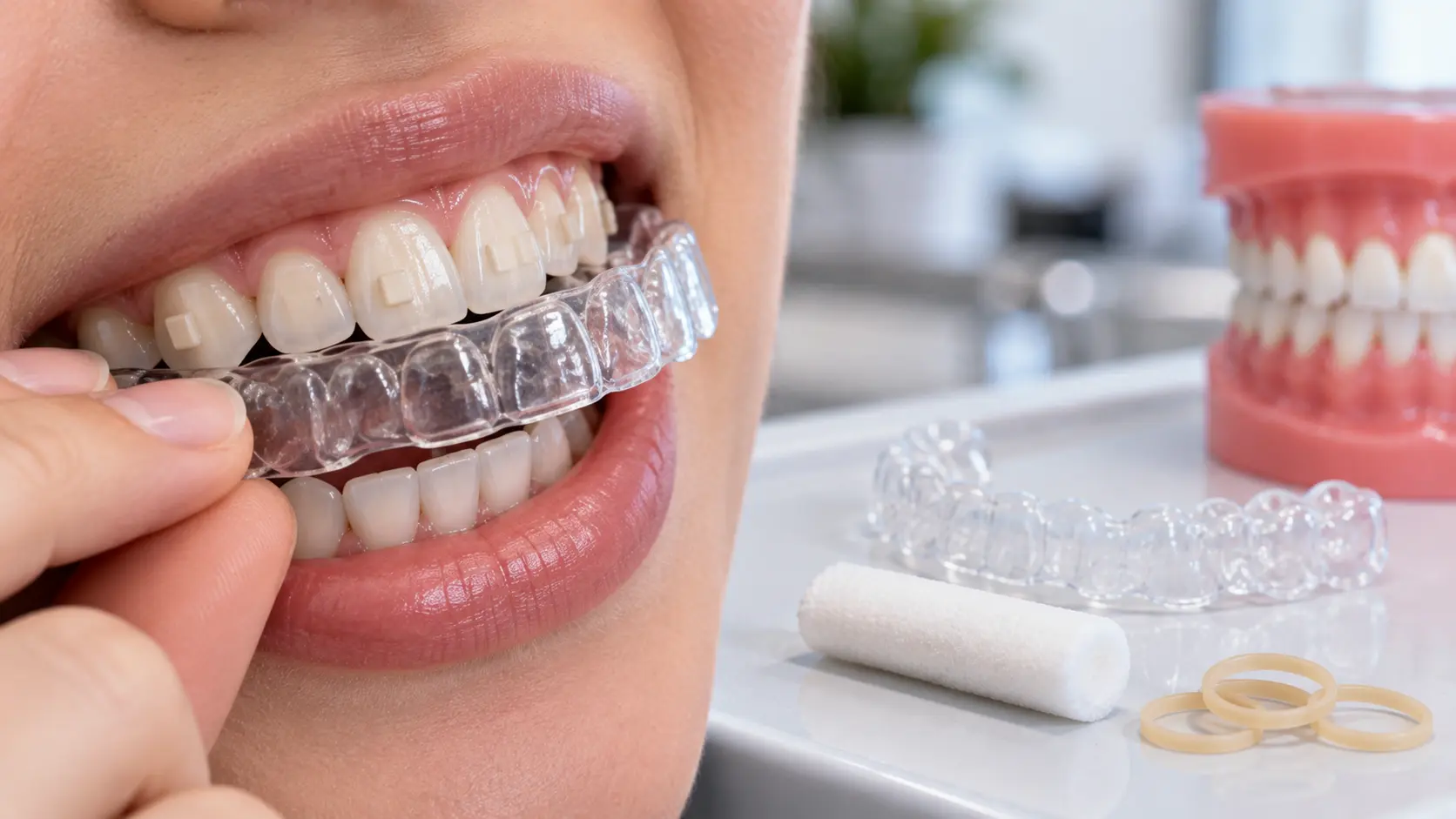
After Invisalign treatment, retainers are used to prevent the previously aligned teeth from moving. Similar to Invisalign aligners, retainers are transparent and made of a thin, flexible plastic.
Retainers are usually worn for an extended period of time after orthodontic treatment because moving and/or instability of the teeth is common.
Invisalign retainers, like all retainers, help to maintain the positioning of the teeth. Following the two to four week period, the retainer wear is limited to during the night.
Why Are Retainers Recommended After Invisalign?
Invisalign treatment requires the use of retainers following treatment to prevent the same issues that occur with traditional braces.
Although Invisalign aligners and retainers may appear similar, they have different functions. As the name implies, Invisalign aligners are used to align the teeth. Retainers, on the other hand, are used to maintain the alignment of the teeth.
Because the retainer plays a more passive role in orthodontic treatment compared to aligners, your orthodontist will decide the duration of retainer wear that is appropriate for your situation.
How Long Do You Need to Wear a Retainer?
There is no single wearing schedule that applies to every patient.
Your orthodontist may have an initial plan of having you wear your retainer for a specific period of time. This plan may change and be communicated to you at various stages of your treatment. Some patients may be told to wear their retainers nightly or according to other long-term plans.
The exact recommendation can depend on:
- The original alignment problem
- The amount of tooth movement during treatment
- Your individual dental characteristics
- How your teeth respond after treatment
- Whether you have previously had orthodontic treatment
- Your orthodontist’s treatment plan
Following the recommended schedule is important. Do not change your retainer routine simply because your teeth appear straight.
What Is an Invisible Retainer?
Invisible retainers are transparent and may be a more appealing retainer design for some people.
Clear retainers give a higher level of esthetics over traditional retainers, but for many different reasons, not all retainers may be clear. The reasons for your orthodontist’s retainer prescription should always be followed.
A clear retainer, used after the completion of orthodontic treatment, does not compare to clear aligners used for active Invisalign treatment. Clear retainers are worn to aid in long term retention of the final orthodontic result.
Difference Between Retainer and Invisalign
This can help clarify retainer and invisalign differences.
Invisalign aligners are tools in a dedicated treatment plan where the aligners apply gradual, controlled, and specific forces on teeth to facilitate movement.
Following the completion of active orthodontic treatment with the use of aligners, a retainer may be used to help stabilize the treatment outcome.
To simplify:
| Invisalign aligner | Retainer |
| Used during active treatment | Usually used after active treatment |
| Designed to move teeth | Designed primarily to maintain alignment |
| Changed according to the treatment sequence | Reused according to the recommended wearing schedule |
| Part of an active orthodontic plan | Part of post-treatment retention |
There can be some overlap in appearance because both may be clear and removable, but their purpose is different.
What Is the Invisalign Retainer Price?
Patients are understandably interested in the cost of retainers after Invisalign treatment, and many ask about the price prior to treatment starting. The cost can vary significantly, and it depends on:.
- Type of retainer
- Material used
- Whether the retainer is custom-made
- Number of retainers required
- Whether a replacement is needed
- The clinic’s treatment and laboratory arrangements
Your orthodontist can quote you the cost of the retainer based on what they recommend. You should ask your orthodontist if the cost of retainers is included with the cost of your initial orthodontic treatment.
What Factors Affect Invisalign Retainer Cost?
Due to differing circumstances, prices for invisalign retainers can vary. Some examples include a patient needing to replace a retainer due to the original retainer being misplaced or broken. Other patients may require a modification to their retainer based on their past orthodontic treatment.
These variations in patient cases require differing retainer costs and modifications.
When discussing cost, ask your orthodontist:
- Which type of retainer is recommended?
- How many retainers are included?
- Is the first set included in the treatment fee?
- What does a replacement cost?
- How long can the retainer typically be used?
- What should you do if it becomes damaged or no longer fits?
Getting these details in advance can make post-treatment care easier to plan.
How Should You Care for Your Retainer?
Retainers need regular care to remain clean and functional.
Your orthodontist may provide specific cleaning instructions, but general care may include:
- Cleaning the retainer as instructed
- Storing it in its protective case when it is not being worn
- Keeping it away from excessive heat
- Avoiding practices that could damage or distort the appliance
- Keeping it away from pets
- Checking that it still fits properly
Do not clean your retainer if you do not know how to do it properly.
If your retainer gets distorted, damaged, or broken, your orthodontist can replace it, and you should not try to fix or adjust it.
What Happens If You Stop Wearing Your Retainer?
Let us say you don’t wear your retainer enough. Well, then you’re likely to experience the unfortunate situation of your teeth moving to a spot that’s less than ideal. The degree of change may differ from person to person.
One indicator of your teeth changing position may be your retainer. Your retainer may become too large for your mouth and may no longer fit your teeth.
If your retainer no longer fits, you should not attempt to adjust it yourself. It is important to contact your orthodontist to see if your teeth have moved and to determine if your retainer should be replaced. The orthodontist will also evaluate if a change in position of your teeth may have occurred.
When Does a Retainer Need to Be Replaced?
Retainers do not necessarily last forever. They can become worn, damaged, lost, or less effective over time.
You may need to discuss replacement if:
- The retainer is cracked or damaged
- It has become distorted
- It no longer fits properly
- It has been lost
- Your orthodontist recommends a replacement
- The appliance has become significantly worn
Regularly checking your retainer and attending recommended follow-up appointments can help identify problems early.
Can Teeth Move After Invisalign?
It is normal for teeth to move a little after braces have been removed. This is why retention is so important.
Just because your teeth have moved a little after your Invisalign treatment, doesn’t mean your treatment was unsuccessful. Tooth position can change over time, which is why your orthodontist may have you wear a permanent or temporary retainer.
How long you have to wear a retainer and the type of retainer you wear depends on the treatment you received and your orthodontist’s recommendations.
What Should You Ask Your Orthodontist After Invisalign?
Before completing your active treatment, ask your orthodontist what happens next.
Useful questions include:
- Which type of retainer is recommended for me?
- When should I start wearing it?
- How often should I wear it?
- How should I clean and store it?
- How long is the retainer expected to last?
- What should I do if I lose or damage it?
- What is the replacement cost?
- How often should I have my teeth and retainer checked?
- What should I do if the retainer becomes uncomfortable?
These questions can help you understand your responsibilities after active orthodontic treatment.
Maintaining Your Smile After Invisalign
There are many options available for retaining your newly aligned smile. The right retainer for you will be determined after consideration of the reasons your orthodontist provided for your needing Invisalign treatment in the first place.
If you have completed Invisalign or are approaching the end of treatment, discussing your retention plan directly with your orthodontist can help you understand what to expect. At Dr Mathesul Invisalign orthodontist braces & dental implant clinic, patients in Pune can discuss their post-treatment retainer requirements and receive guidance based on their individual orthodontic treatment.
Contact Dr. Mathesul Invisalign Orthodontist Braces & Dental Implant Clinic to discuss your concerns and understand which approach may be appropriate for you. Take the first step toward better oral health and informed orthodontic care.
Call us today at 8983101099 or email us at dailydentist@gmail.com to book your consultation.
Final Thought
An Invisalign retainer is an essential part of treatment completed by a patient after they have finished their Invisalign or other orthodontic treatment. Invisalign or other orthodontic treatments may involve the use of aligners to help move the teeth, but it is the retainers that help to stabilize and maintain the final alignment of the teeth.
There are various types of retainers. Your orthodontist will recommend to you the type of retainer that best fits your case and will also help provide you with the wearing schedule and the duration for which you will have to wear it. If you wish to help maintain the final position of your teeth, you must comply with the instructions of your orthodontist regarding your retainer.
While you may have various questions regarding your retainer, you should not answer them by modifying your retainer yourself. Your orthodontist will help answer any questions you may have.