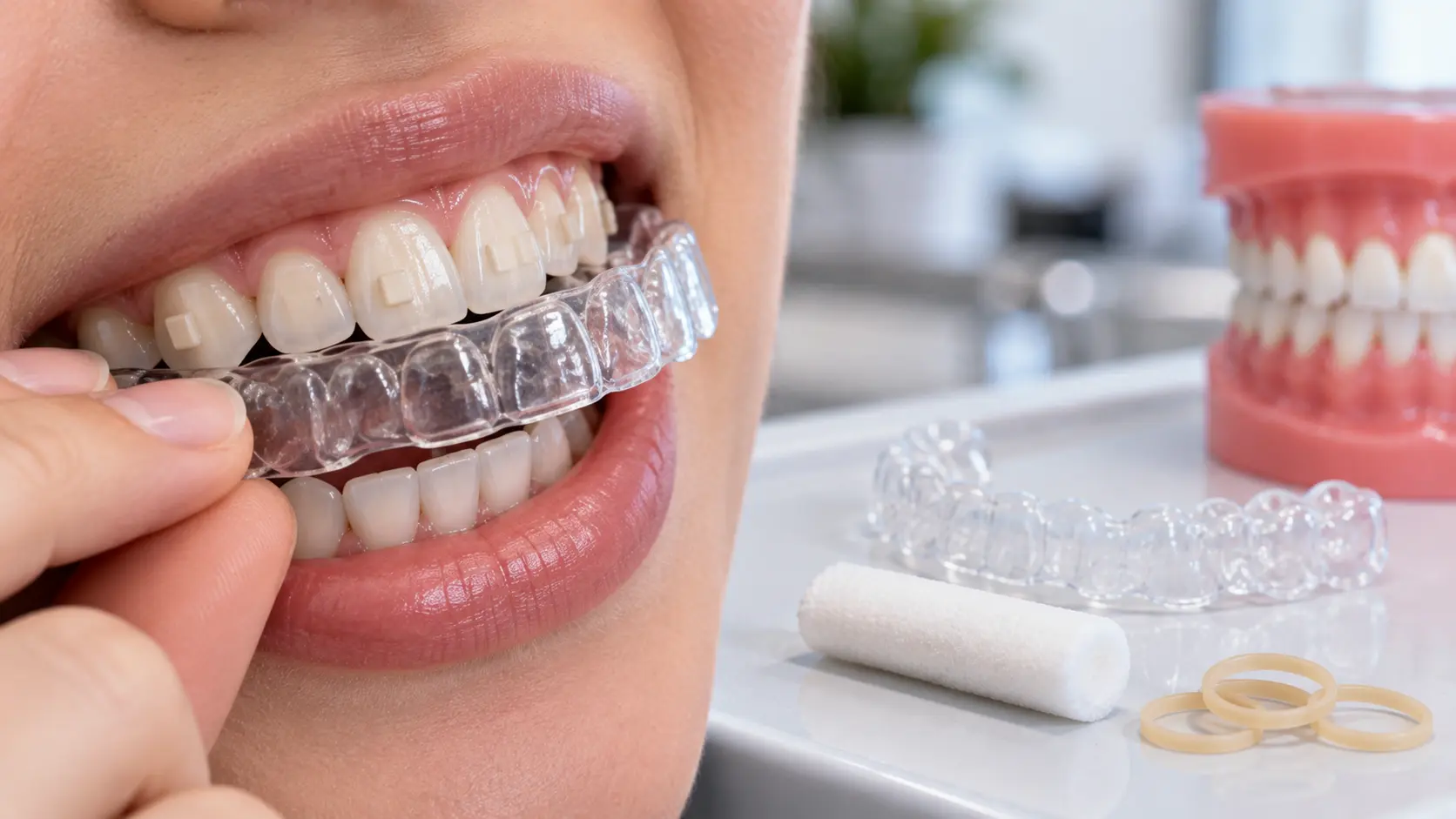

When researching clear aligners, you may have questions like, does invisalign hurt? It’s understandable to have questions like this if you have never had experience with traditional orthodontics. The general consensus is that, while wearing invisalign aligners may not hurt, there may be tenderness or discomfort once a new aligner is placed. This is due to the aligner requiring your teeth to be moved to a new position. The level of tenderness and discomfort will vary between patients. A general expectation of your treatment will help alleviate any anxiety you may have.
Does Invisalign Hurt?

Invisalign won’t cause severe pain, but discomfort that will fade will occur. The initiation of treatment or placement of a new set of aligners may cause slight discomfort to some.
Mild discomfort should be expected and the reason for the discomfort should be understood. Understanding the reason for discomfort will help to alleviate discomfort and pain during treatment with Invisalign. The process of orthodontic treatment is gradually moving teeth with the use of controlled oral forces, and temporary discomfort is to be expected.
Some of the variables that may affect the level of discomfort include:
- How sensitive your teeth are
- The amount and type of tooth movement required
- How well the aligners fit
- Whether you have recently started treatment
- Whether you have moved to a new aligner
- Your individual response to orthodontic pressure
Some people notice very little discomfort, while others may be more aware of pressure or tenderness.
What Does Invisalign Feel Like?
Patients are always asking,Invisalign, does it hurt? They want to know what wearing their first aligners will feel like.
New aligners might feel like mouthguards. Expect your aligners to put very mild pressure on your teeth. While you get used to the pressure, your teeth may feel tender and sore. You might even feel a mild tingling sensation.
Don’t worry if you’re experiencing these sensations. It means your aligners are working and starting to move your teeth. The aligners are customized to your teeth in order to nudge your teeth into their final desired positions.
During the first few days of a new aligner, you may notice:
- Pressure around certain teeth
- Mild tooth tenderness
- Slight sensitivity when chewing
- A feeling that the aligner is tight
- Minor irritation around the lips, cheeks, or gums while your mouth adjusts
These sensations may become less noticeable as you get used to wearing the aligner.
Why Can a New Invisalign Aligner Cause Discomfort?
Each tray in your treatment takes your teeth to different positions. Differences in the positions of the teeth reflect that one tray moves teeth to a new position from the other. For this reason, a new tray may be felt to be tighter than the previous tray. Each tray has a specific function and is intended to produce tooth movement.
It is also the reason some patients feel discomfort with new aligners even if the old trays were comfortable. Different aligners may also be designed to function to perform horizontal, vertical, and rotational tooth movements.
Therefore, patients may feel discomfort or sensitivity in different places at different times during treatment.
How Long Does Invisalign Discomfort Last?
There is no standard time period for patients regarding alignment discomfort.
Mild discomfort and tenderness is normal while a person gets adjusted to a new aligner. For some patients this discomfort may last awhile. Some patients report the discomfort going away or lessening as the mouth adjusts to the new aligner.
While discussing your orthodontic treatment with patients, your doctor may have compared and contrasted various aspects of your case with other patients in the office. However it is not recommended to compare yourself too closely to other patients. How your aligners feel is subjective and based on the individual patient and their case.
It is recommended to speak with your doctor if you have any concerns to rule out that it may not be normal case progression.
Is Invisalign Pain Normal?
Patients expect some discomfort with Invisalign and other aligner therapies. They may be reassured that mild discomfort is expected during treatment.
Pressure and tenderness are to be expected during treatment and is a good indication that the treatment is working. Movement of the teeth is a desired effect of treatment and therefore should be expected.
If, however, pain is so severe that it becomes a distraction or if pain occurs between adjustments, or if there are any other concerns, the patient should contact the office for an evaluation.
Contact your orthodontist if you experience:
- Severe or persistent pain
- A sharp edge that is repeatedly irritating your mouth
- An aligner that does not appear to fit correctly
- Significant gum irritation
- Swelling or unusual sensitivity
- Pain that does not improve
- A tooth that feels unusually painful or loose
Your orthodontist can assess whether the discomfort is because of normal tooth movement, a misfit of your aligners, or is a result of some other dental problem.
What Can You Expect During the First Few Days?
There are some new sensations you may feel for the first few days of Invisalign treatment.
Aligners may feel like something new and present in your mouth. Your teeth may feel pressured and tender. You may feel a discomfort when trying to talk because of the misalignment of your mouth and your tongue with the Invisalign.
With time and continuous use of Invisalign, your mouth will get used to Invisalign, and these symptoms will reduce or go away.
While the symptoms are there, you can manage the pain with over the counter-pain medicine and continue with your daily activities. Follow your orthodontist’s guidelines on the use of Invisalign, and you will get your expected results.
How Can You Manage Mild Invisalign Discomfort?
If you experience mild discomfort, there are several simple steps that may make the adjustment period easier.
1. Keep Your Aligners Clean
Good aligner hygiene helps the aligners, and you! Keep your aligners clean by following your orthodontist’s directions.
2. Choose Comfortable Foods
If your teeth are tender, try munching on softer foods until the tenderness disappears. When you are able, return to your normal diet.
3. Follow Your Orthodontist’s Instructions
You’ll experience discomfort for a number of reasons during your orthodontic treatment. You may be tempted to avoid aligner discomfort by taking breaks from your treatment, but resist the urge! Your orthodontist has a game plan and a good reason for the treatment plan.
4. Check the Aligner Fit
If your discomfort levels are through the roof and your aligners don’t fit right, you may have a misshapen aligner. Contact your doctor to get another aligner made to relieve your discomfort.
Can Invisalign Hurt Your Gums or Cheeks?
There are other sources of discomfort, aside from that caused by the movement of teeth into new positions.
The first few days with a new aligner are often uncomfortable while the patient becomes accustomed to the new mouthguard. Sharp or rough edges can abrade soft tissue, and can also be painful.
An aligner can be adjusted if it is not fitting properly. Your orthodontist can make these minor adjustments. Aligners should not be altered by the patient.
Your orthodontist will give you specific instructions for situations when you are required to make adjustments to your aligner.
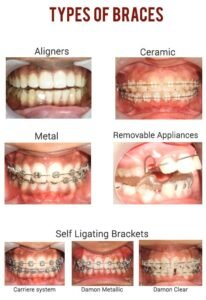
Is Invisalign Less Painful Than Braces?
It is hard to say which treatment causes less discomfort, as this depends on the individual and the orthodontic issues that require different types of tooth movement.
There are similarities in the mechanics of action of both braces and aligners; both utilize the application of orthodontic forces to move teeth.
Soreness and discomfort with orthodontic treatment is normal, but if you experience severe pain, contact your orthodontist, as this is not normal.
The main concern should be if your orthodontic treatment needs and goals will be met with your current treatment plan.
When Should You Contact Your Orthodontist?
Some discomfort is normal during orthodontic treatment, and your orthodontist expects you will contact them if you experience intense discomfort.
Intense discomfort is not the only reason to contact your orthodontist. You should contact your orthodontist if there is facial swelling, you develop a fever, or you experience other discomfiting symptoms that do not go away with the use of over the counter medications. Also, if your orthodontic appliances become loose, contact your orthodontist.
Your orthodontist will assess your symptoms, and determine if the appliances should be adjusted. In some cases, your orthodontist may also need to provide treatment for other symptoms.
Get Personalized Guidance About Invisalign Discomfort
To help ease your patient’s anxiety about Invisalign, it is useful to understand the behavior of Invisalign aligners. Patients may experience anxiety when new sensations occur due to Invisalign treatment. Having a member of the Invisalign team discuss your treatment will help to relieve treatment anxiety and provide you with information regarding your treatment.
Contact Dr. Mathesul Invisalign Orthodontist Braces & Dental Implant Clinic to discuss your concerns and understand which approach may be appropriate for you. Take the first step toward better oral health and informed orthodontic care.
Call us today at 8983101099 or email us at dailydentist@gmail.com to book your consultation.
Final Thoughts
Does Invisalign hurt? Invisalign might actually make your teeth feel tender and sore for a few days as it moves your teeth to a new position. Each time you change to the next aligner in the series, you’re bound to feel discomfort. Some people, however, are able to tolerate Invisalign and report no pain. You can’t absolutely say that Invisalign is pain-free.
Discomfort is expected when you’re trying to adjust your teeth to a new position, however, you should contact your orthodontist if you feel constant, intense pain. There are also several ways to alleviate pain associated with your orthodontic treatment. You should also make sure you brush your teeth and follow your orthodontist’s instructions.
You should also know your orthodontist is a good source for other information you may need about your treatment.