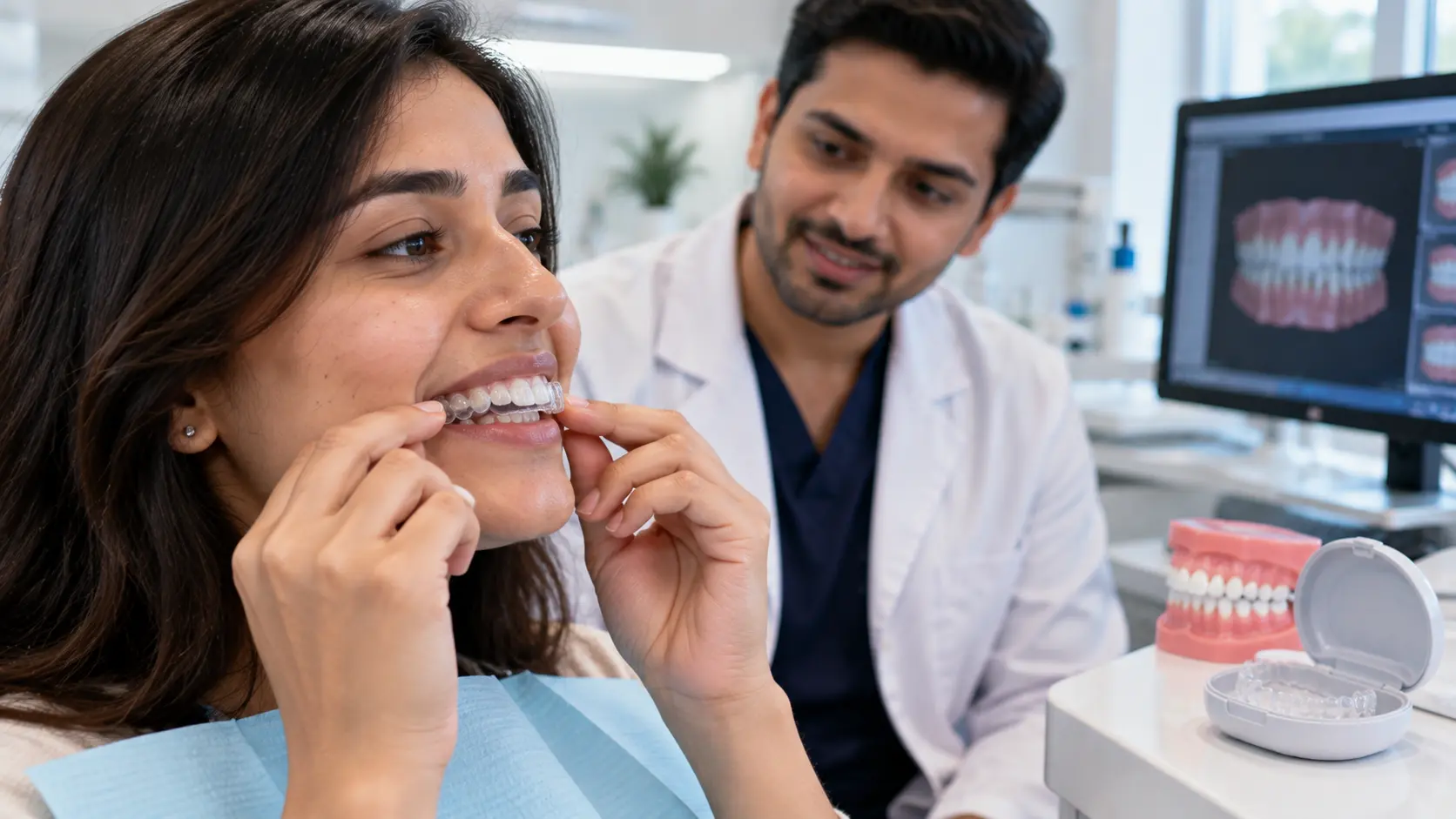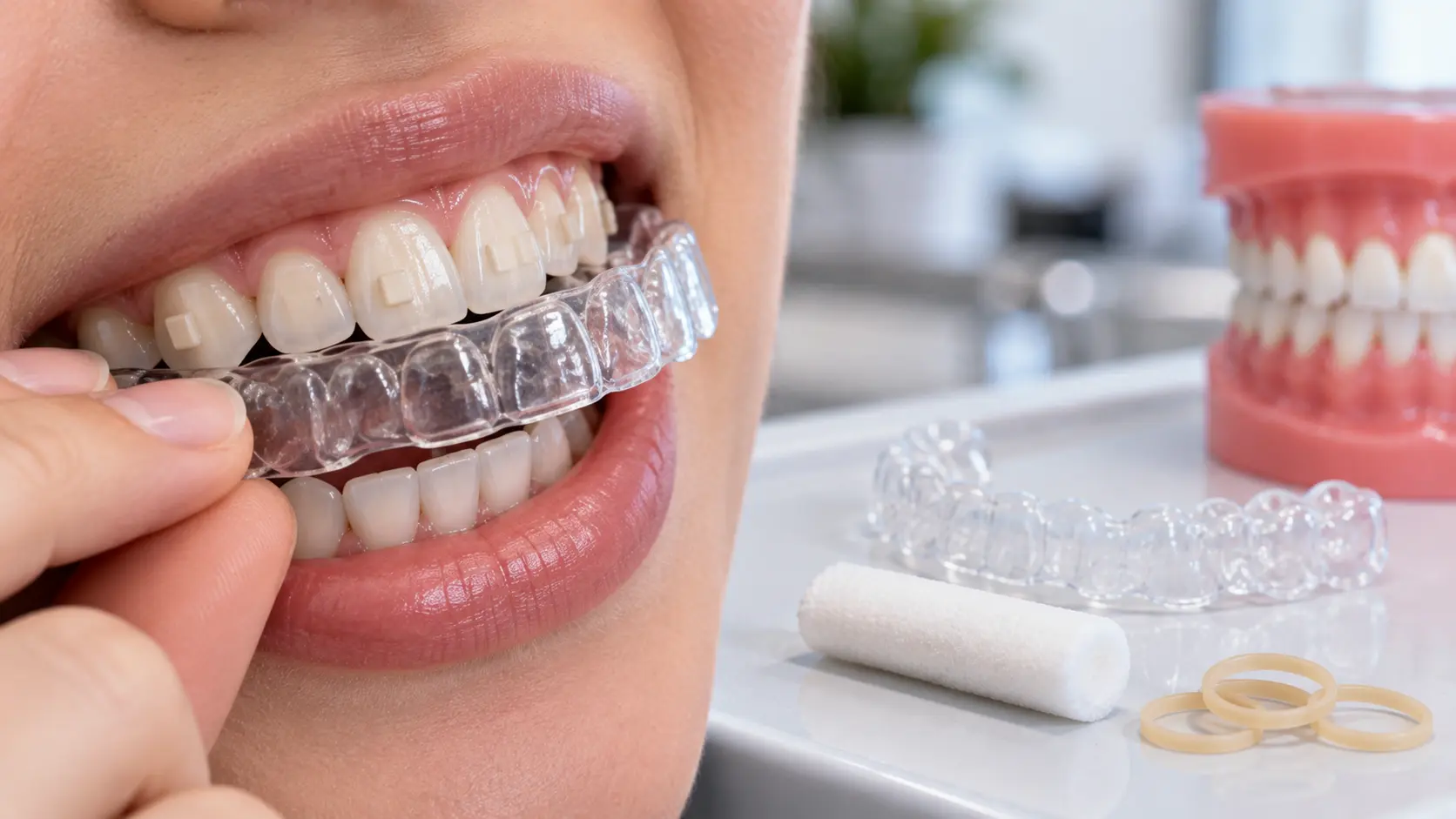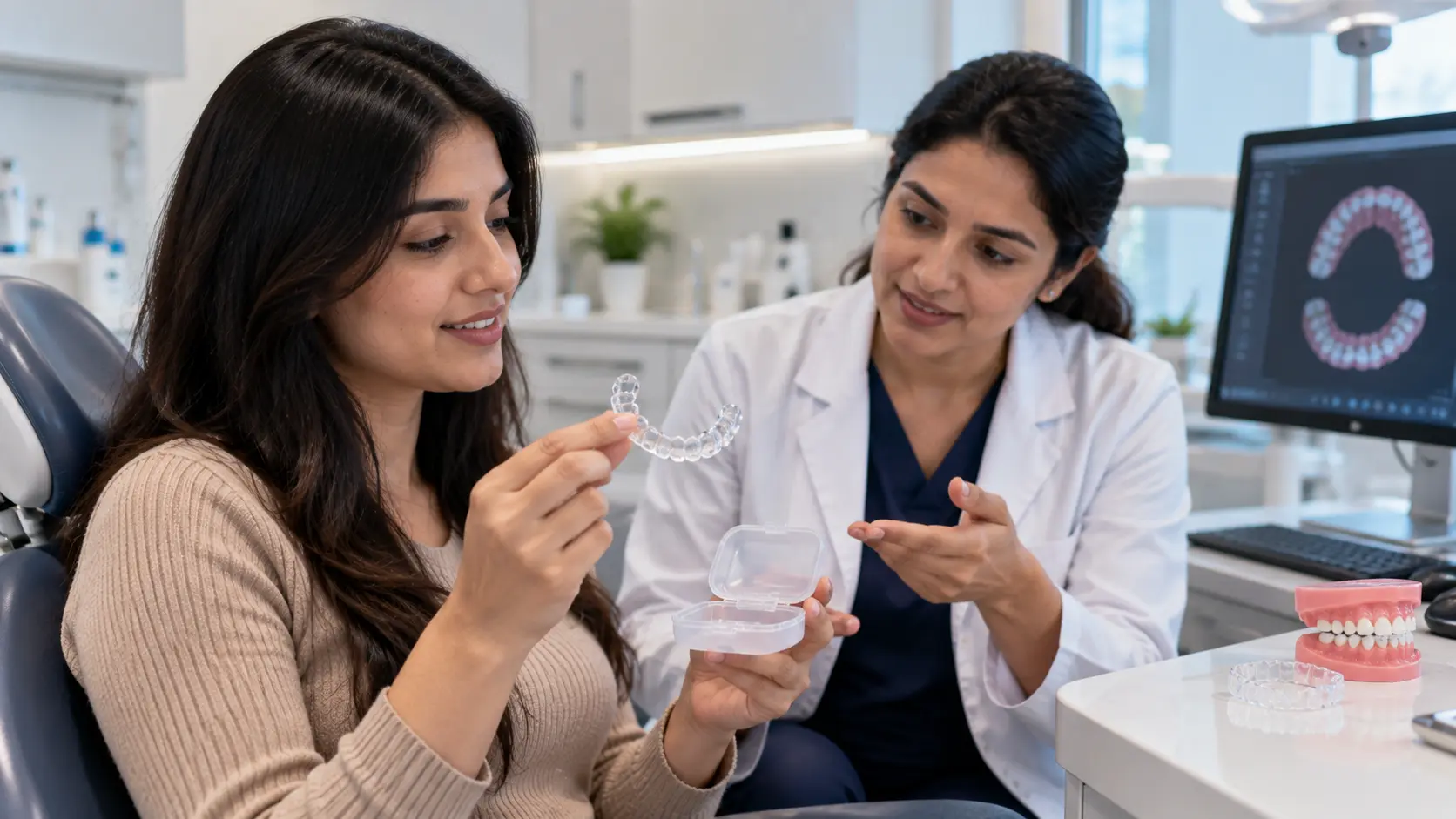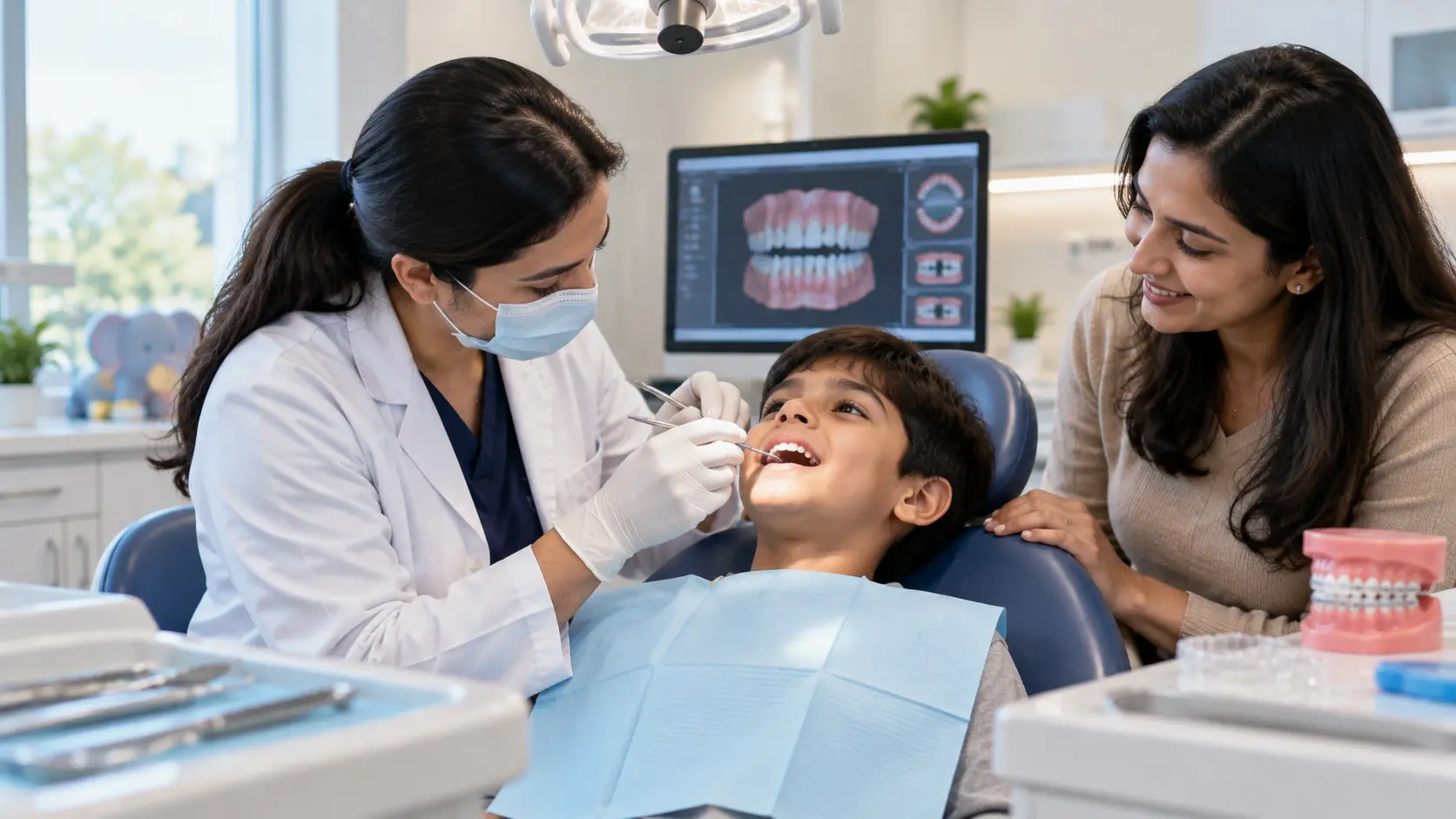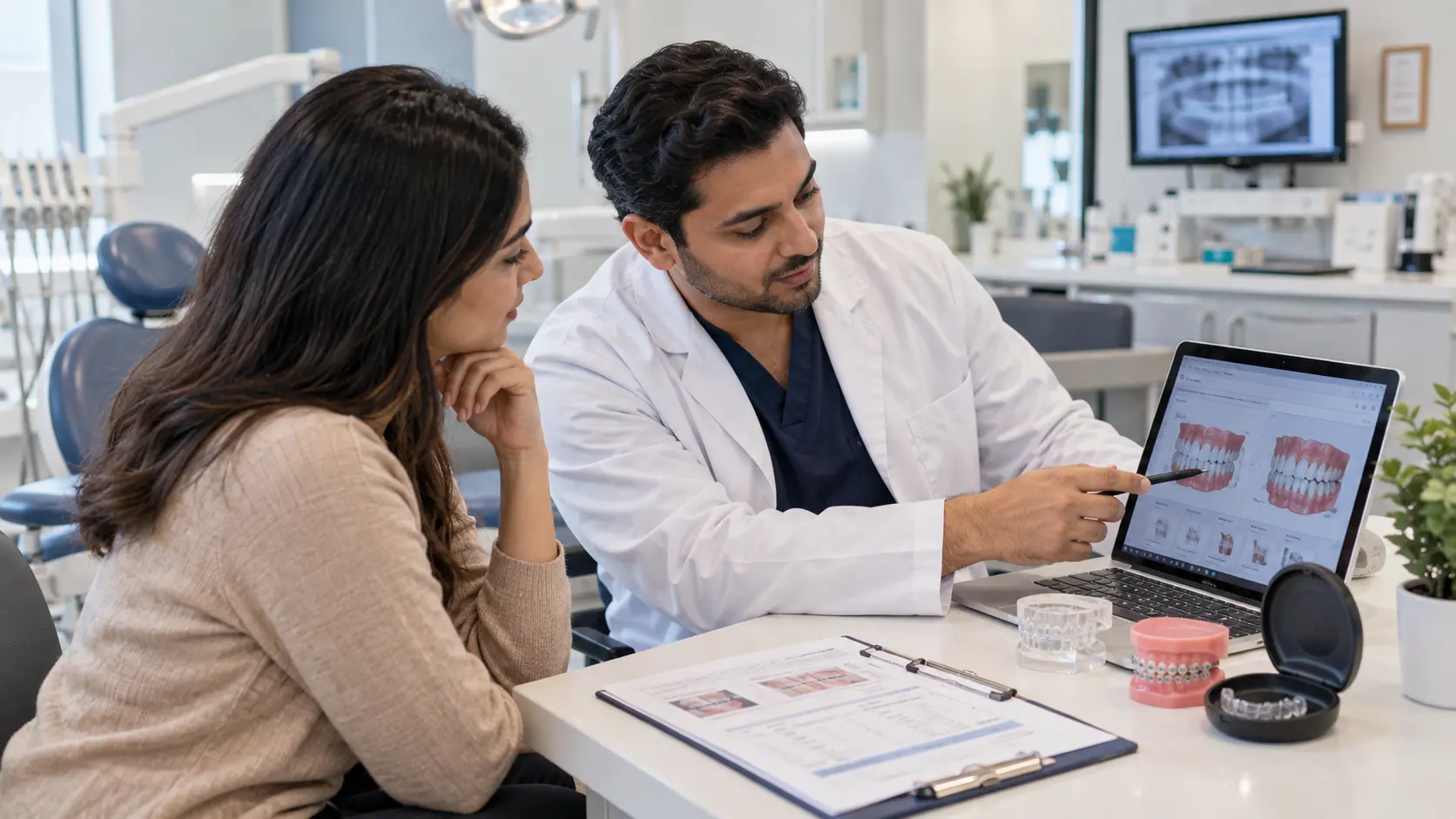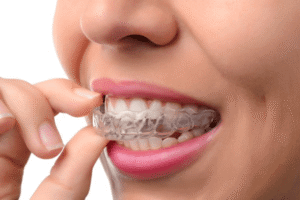
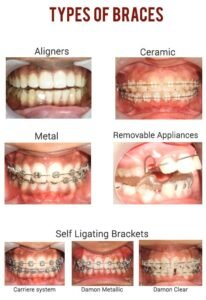

Prospective patients want to see before and after pictures for the Invisalign alignment process. Prospective patients want to see if Invisalign will be able to produce the final results that they desire. Invisalign picture examples are very useful to illustrate various outcome examples. However, Invisalign does not guarantee results like these for everyone. These pictures are examples of best cases.
No two people undergo the same Invisalign treatment process. The treatment is completely personalized to each patient. This is based on several factors including current state of oral health, teeth, jaw, bite, and other orthodontic needs. Because of this, the outcome of the treatment also varies greatly.
What Can Invisalign Before and After Results Show?
Using before and after photos is one way to show patients potential benefits and outcomes of orthodontic treatment.
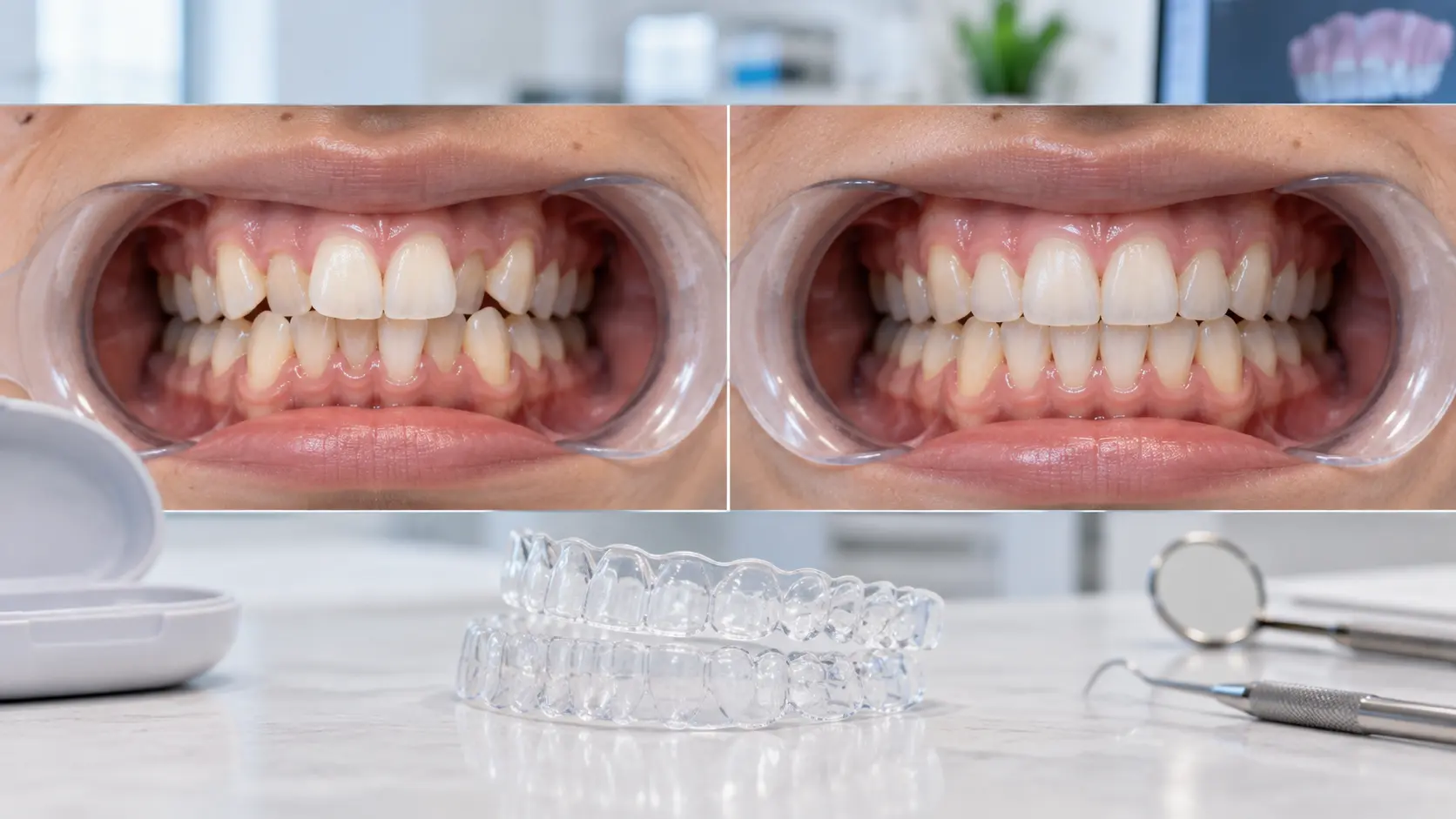
There are a number of issues that may lead to crowding or spacing of the teeth that can be treated with Invisalign. These may include:
- Crowded teeth
- Gaps between teeth
- Crooked or rotated teeth
- Certain bite problems
- Mild to moderate alignment concerns
- Relapse following previous orthodontic treatment
Some orthodontic issues may require the use of other treatment modalities, and Invisalign may not be able to address these issues.
Rather than comparing treatment outcomes to others, it may be more productive to evaluate whether the teeth are malaligned pre-treatment and whether this malalignment has improved post-treatment.
What Changes Can Patients Notice?
A visual change is the alignment of the teeth. Teeth that appear to be misaligned, crowded, or spaced, appear to be aligned after the completion of orthodontic treatment.
The treatment can change how the upper and lower teeth relate to each other. What these changes are depends on the starting situation of the patient and the treatment goals.
It is a common misconception that the goal of treatment is to visually realign the teeth. Aligning the teeth is only one aspect of treatment, and the goal of treatment is to realign the teeth in relation to the bite and the jaws.
Before and After Invisible Braces
Patients are typically interested to see the comparison of their teeth before and after treatment when researching invisible braces.
Clear aligners are a type of orthodontic treatment that uses a series of trays to gradually shift teeth over a specific sequence. Unlike braces, aligners are removable and transparent.
Although clear aligners may be less noticeable, they still have limitations and may not be appropriate to address all orthodontic issues. A thorough evaluation by an orthodontist is necessary to assess the teeth and bite to determine if clear aligners would be appropriate.
Before and after examples may be used to illustrate the possible adjustments in treatment; however, these examples always need to be interpreted by a professional.
Before and After Invisalign Braces: What Should You Look For?
Prospective patients sometimes look through before and after pictures when considering orthodontic work. It is always important to look beyond an attractive end result when analyzing a picture.
Consider whether the examples show:
- A similar type of dental concern
- Comparable levels of crowding or spacing
- Similar bite concerns
- The complete treatment journey
- Clearly identified before and after photographs
- Images taken from comparable angles
One person might require Invisalign to resolve a much different orthodontic issue than the next person. Therefore, assuming the degree of correction is the same for other people also undergoing Invisalign treatment, as is the case for yourself, might not be accurate.
Understanding Invisalign Images
Searching for before and afters of Invisalign treatment online gives an idea of how clear aligners change smiles and of the presentation of treatment cases online.
Photographs don’t always depict reality. Many factors can impact an image of a smile. Some of these include how the lips are positioned and what other teeth are shown in the photo.
This is why a patient can’t necessarily trust that an image of an Invisalign case outcome will show what their outcome will be.
Being able to meet with the orthodontist face to face will allow the orthodontist to examine the patient’s smile and bite, and help answer what kind of movement is possible and what the expected outcome will be.
How Long Does It Take to See Invisalign Results?
Many want to know when they will see results. It is impossible to give an exact time frame.
Various factors can influence the rate and extent of changes during treatment, including:
- The starting position of the teeth
- Complexity of the orthodontic problem
- Number of teeth being moved
- Treatment plan
- How consistently the aligners are worn
- The individual’s response to treatment
- Whether refinements are required
Your orthodontist will be able to give you a more accurate idea of your treatment time once a diagnosis is made and a treatment plan developed.
It is better to avoid comparing your treatment to others and to remain focused on your treatment plan.
What Factors Can Affect Invisalign Results?
Several factors can influence the final outcome.
1. Complexity of Your Case
Cases that require slight changes in alignment may be more suitable with Invisalign than cases that require complex tooth movement or bite correction.
2. Wearing the Aligners as Directed
Clear aligners are designed to be worn according to the orthodontist’s instructions. Because they are removable, patients need to follow the recommended wearing schedule for the treatment plan to progress as intended.
Not following instructions may affect treatment progress or require changes to the planned treatment.
3. Follow-Up Appointments
Regular orthodontic reviews allow the orthodontist to monitor progress and determine whether the teeth are moving according to the treatment plan.
If adjustments or refinements are needed, the treatment plan may be modified.
4. Oral Health
Healthy teeth and gums are important during orthodontic treatment. Good oral hygiene and regular dental care help maintain oral health while teeth are being moved.
What Does an Invisalign Smile Look Like?
The term invisalign smile has been used to describe the anticipated appearance of a patient’s teeth after completion of clear aligner treatment. However, there is no typical outcome of invisalign treatment.
As with any type of orthodontic treatment, invisalign treatment is designed to move patients’ teeth into proper alignment based on each patient’s specific dental condition and needs. There is no intent to try to alter or change a patient’s smile to that of another.
Likewise, there are numerous photos available showing various smiles that have been enhanced through the use of invisalign treatment. Again, while such photos may serve to assist patients in visualizing certain aspects of tooth alignment and to provide ideas on treatment outcomes, such photos should not be relied upon to predict treatment results.
Why Before-and-After Photos Are Not a Guarantee
Before-and-after images provide a general idea of the outcomes that may be expected from orthodontic treatment. However, patients should understand that such images are for illustrative purposes only.
Two patients may have:
- Different levels of crowding
- Different jaw relationships
- Different tooth shapes
- Different bite concerns
- Different treatment durations
- Different responses to orthodontic forces
A patient with apparently similar problems to another may be directed to undertake a different treatment regime.
In the end, your exact situation can only be evaluated by a qualified orthodontist following an oral examination.
What Should You Ask Before Starting Invisalign?
If you are considering clear aligners, a consultation is an opportunity to ask specific questions about your case.
You may want to ask:
- Is Invisalign suitable for my orthodontic concern?
- What changes might reasonably be expected?
- How complex is my case?
- How long might treatment take?
- How often will I need follow-up appointments?
- How frequently should I wear the aligners?
- Could refinements be required?
- Will I need retainers after treatment?
- What should I do if an aligner does not fit properly?
- How will my progress be monitored?
These questions can help you understand your treatment rather than relying solely on photographs found online.
Why a Professional Invisalign Assessment Matters
Understanding what orthodontic treatment involves often begins by looking at before and after examples, but determining this for yourself requires an individual assessment.
During an assessment, an orthodontist will be able to determine if treatment with aligners is an option for you. The treatment may be limited and the orthodontist may be able to outline the process for you. The orthodontist will also be able to identify the issues with your bite and may be able to explain this to you.
For patients in Pune who are comparing Invisalign examples and considering treatment, discussing your expectations with an experienced orthodontic team can help you make a more informed decision. Dr Mathesul Invisalign orthodontist braces & dental implant clinic provides Invisalign and orthodontic care in Pune, with treatment planning based on each patient’s individual dental needs.
Contact Dr. Mathesul Invisalign Orthodontist Braces & Dental Implant Clinic to discuss your concerns and understand which approach may be appropriate for you. Take the first step toward better oral health and informed orthodontic care.
Call us today at 8983101099 or email us at dailydentist@gmail.com to book your consultation.
Final Thought
Before-and-after pictures showing the results of Invisalign treatment can give patients an idea of the types of changes that may occur during treatment. However, there are many variations in the tooth movements and the total treatment times, which are determined by each individual’s situation.
When you look at Invisalign photographs, it is best to consider them as examples as opposed to expectations. It is possible to get a professional opinion regarding your individual case to help determine if Invisalign is an alternative for you, and if so, what the treatment may involve and what the potential results may be.