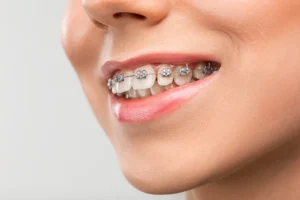
Caring for your child’s oral health includes spotting problems early enough that they can be treated by the time they become pronounced. While many parents take their children to the orthodontist after they have problems with their bite such as malalignment, crowding or spacing, observation is often done once a parent notices that their child’s teeth do not meet properly.
Getting an evaluation by a pediatric orthodontist does not mean that a child will get braces or have other correctional dental work done. It is important for parents to have an idea of what is going on with their child’s oral health. A variety of factors concerning the growth and development of the jaw and other facial structures may lead an orthodontist to believe that a child should be monitored or potentially repair or manage the growth of the jaw through a variety of means.
What Does a Pediatric Orthodontist Do?
A pediatric orthodontist is trained to properly position and align the teeth of children and help children with jaw development and issues. Children’s orthodontic care involves evaluation of permanent and baby teeth, how the teeth bite together, position of the jaws and how all of the above will affect alignment of teeth.
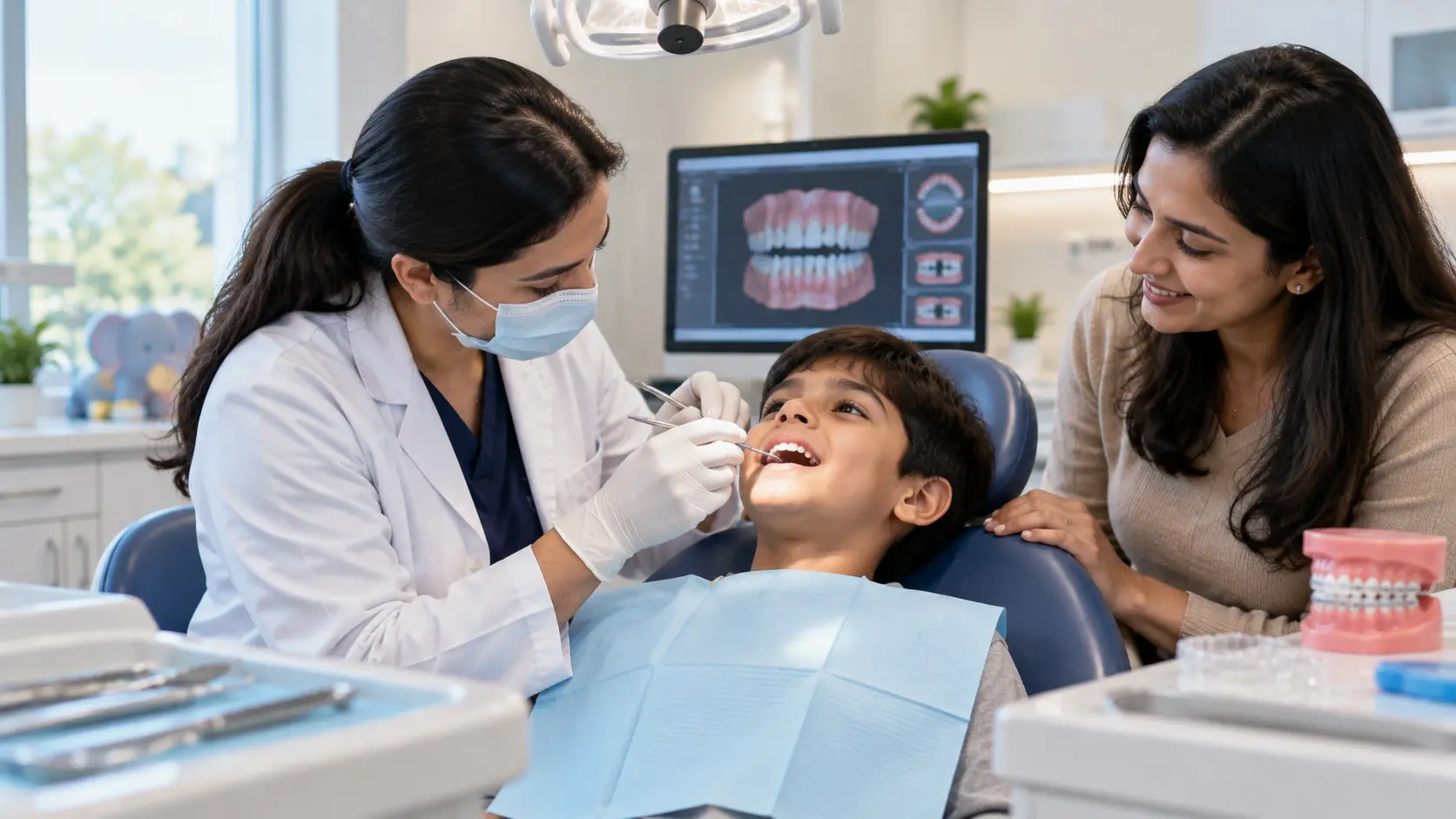
Children’s mouths change as children lose their baby teeth and get their permanent teeth. It is often confusing to the parent and child when the dental team says that it is time for an orthodontic evaluation because of the frequent dental visits. Evaluating children for orthodontic issues is often different from a standard dental visit. Orthodontic issues are best evaluated at around age 7. Some children may benefit from an orthodontic evaluation before age 7.
An orthodontist may assess:
- Tooth crowding or spacing
- Crooked or rotated teeth
- Overbite or underbite
- Crossbite
- Open bite
- Teeth that are erupting in an unusual position
- Problems with the way the upper and lower teeth meet
- Certain jaw growth and alignment concerns
- Loss or delayed eruption of teeth
- Habits that may affect developing dental structures
As stated by The American Academy of Pediatric Dentistry, assessment and management of the primary and developing permanent dentition and occlusion should be part of the comprehensive oral health care for children and adolescents.
Signs Your Child May Benefit From an Orthodontic Evaluation
Not all children that have minor issues with their teeth require correction by an orthodontist. There are signs that might require an evaluation by a specialist.
Parents may want to discuss an evaluation if they notice:
- Significant crowding
- Large spaces between teeth
- Teeth that appear to be erupting in the wrong position
- Difficulty biting or chewing
- An upper or lower jaw that appears noticeably out of alignment
- A crossbite or underbite
- An open bite
- Front teeth that protrude noticeably
- Baby teeth being lost unusually early or late
- Permanent teeth that appear delayed in coming through
- Difficulty closing the mouth comfortably
- A bite that appears to have changed as the child grows
Parents may not always recognize certain problems with a child’s bite development. A dental examination can clarify the development of a child’s teeth and jaws.
When Should a Child See an Orthodontist?
It is a common misconception that parents have to wait until all of their children’s permanent teeth come in to consider orthodontic treatment.
The American Association of Orthodontists suggests that children should have an orthodontic evaluation no later than the age of seven. By this age, children have enough permanent teeth for an orthodontist to assess possible malocclusions, or bad bites, and manage any possible problems before they get worse. This, however, does not mean all children this age will require orthodontic treatment.
It is best to let an orthodontist decide when the time is right to consider treatment options for children with developing malocclusions.
An early visit may result in different recommendations depending on the child:
- No orthodontic treatment is currently needed.
- The child may benefit from periodic monitoring.
- Treatment may be appropriate at the current stage of development.
- Treatment may be recommended later when more permanent teeth have erupted.
The appropriate timing depends on the child’s dental development and the specific orthodontic concern.
Why Can Timing Matter?
As children grow, their jaws and teeth change, and some orthodontic problems change as well. Some problems can be hard to see after children stop growing.
For example, an orthodontist may see that a child has a bite problem developing and/or tooth crowding and/or teeth that are growing into the wrong place, and may suggest that the bite be evaluated at a later time.
The American Academy of Pediatric Dentistry (AAPD) notes that the best time to treat a malformation is based on several factors, such as a child’s growth and the degree of abnormality.
Based on this, an initial exam is often used to decide if there is a problem and if there is a need for continued care to monitor the malformation.
In many cases, the best course of action is to watch and wait.
Common Orthodontic Treatments for Children
If orthodontic treatment is recommended, the approach depends on the child’s age, dental development, type of problem, and treatment goals.
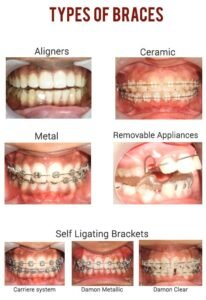
1. Braces
Braces can be used to gradually move teeth into better alignment. Depending on the case, an orthodontist may recommend full braces or a more limited appliance during a particular stage of development.
2. Space Management
When baby teeth are lost early or permanent teeth are developing in a crowded area, an orthodontist may consider approaches designed to manage available space. The exact approach depends on the child’s dental development.
3. Expanders and Other Appliances
In some cases, an orthodontist may recommend an appliance to address a specific developing problem. For example, certain appliances may be considered for particular jaw or arch-width concerns while a child is still growing.
Not every child requires these treatments, and an orthodontist should determine whether an appliance is appropriate after an individual assessment.
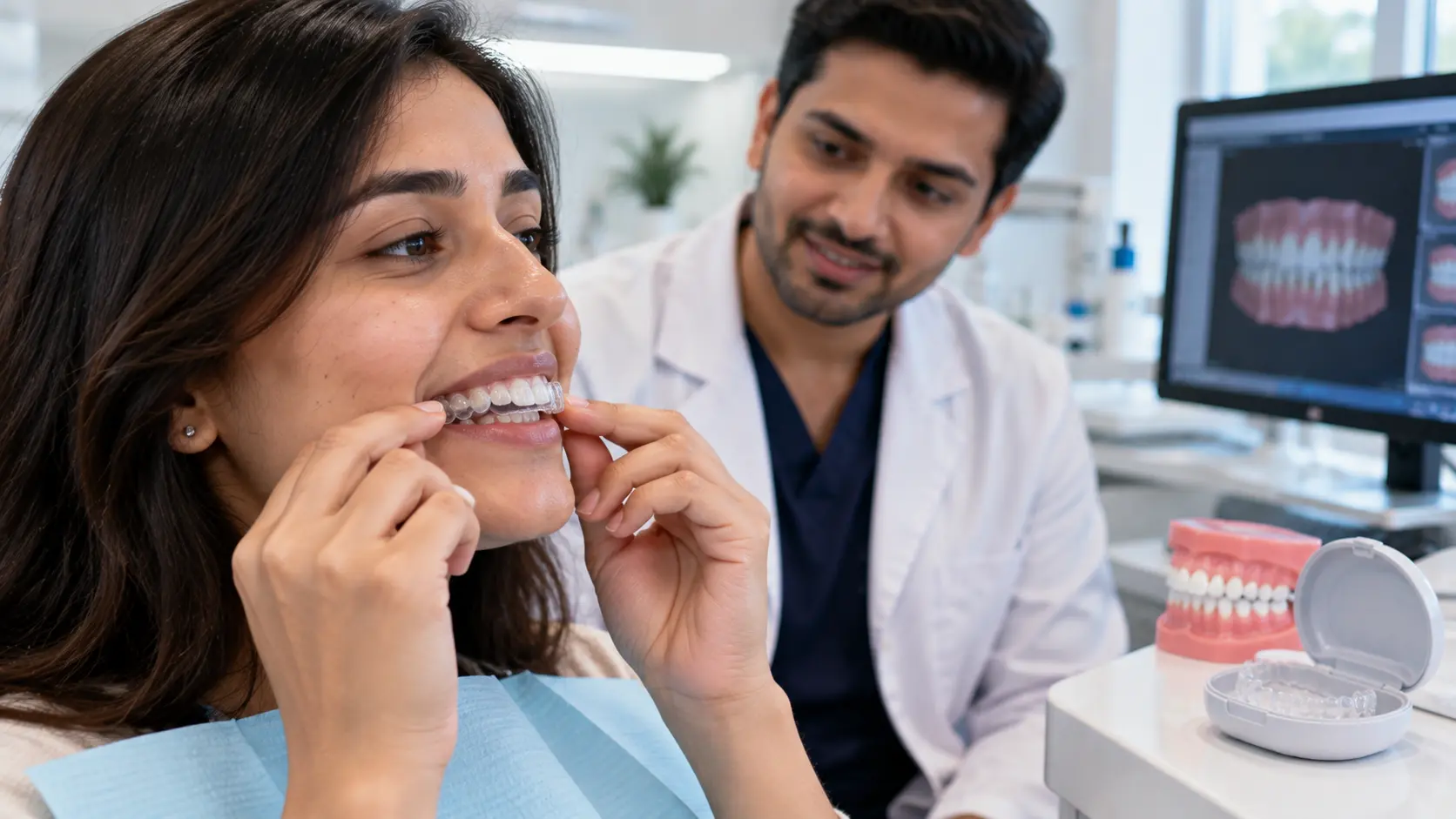
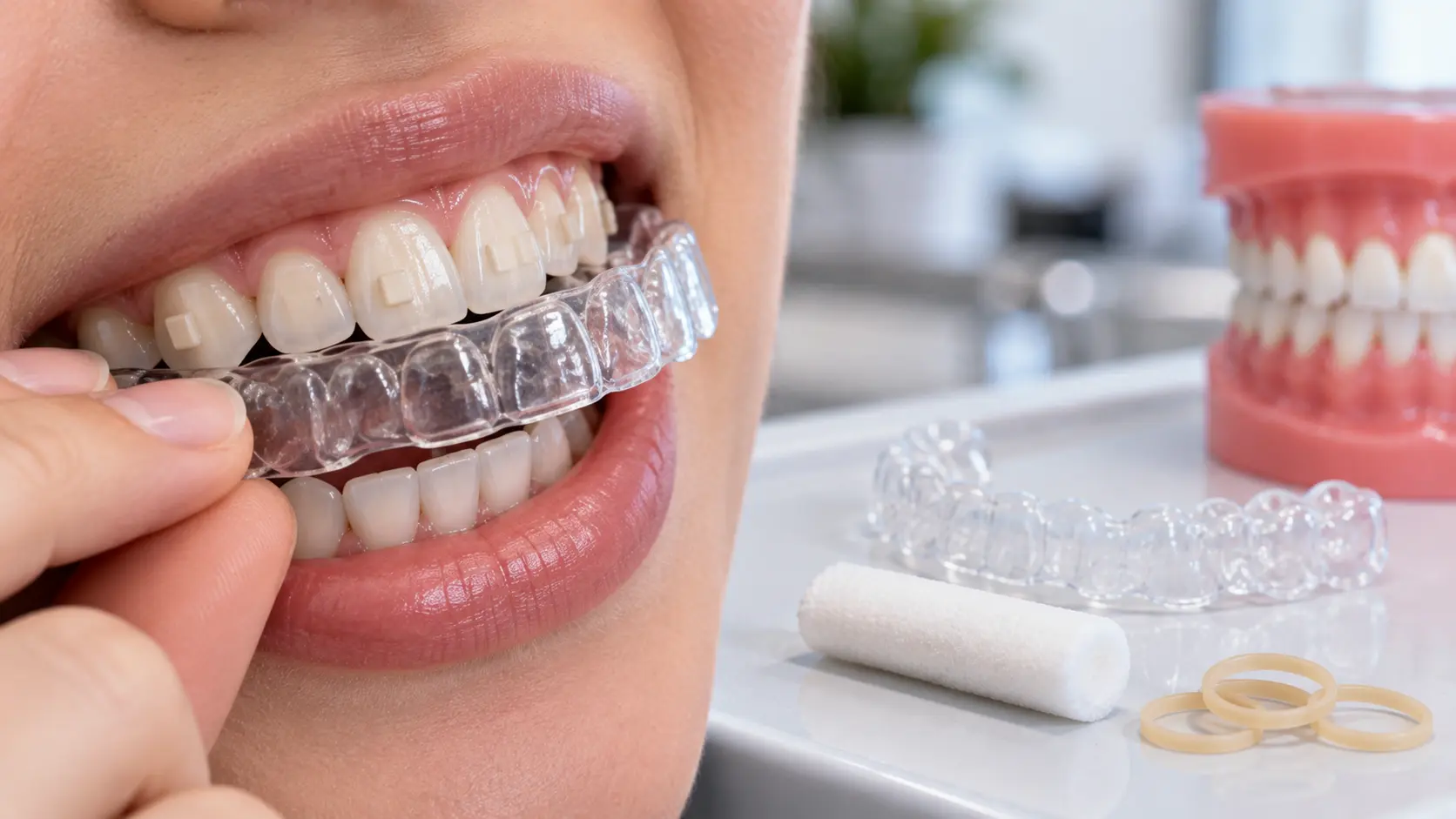
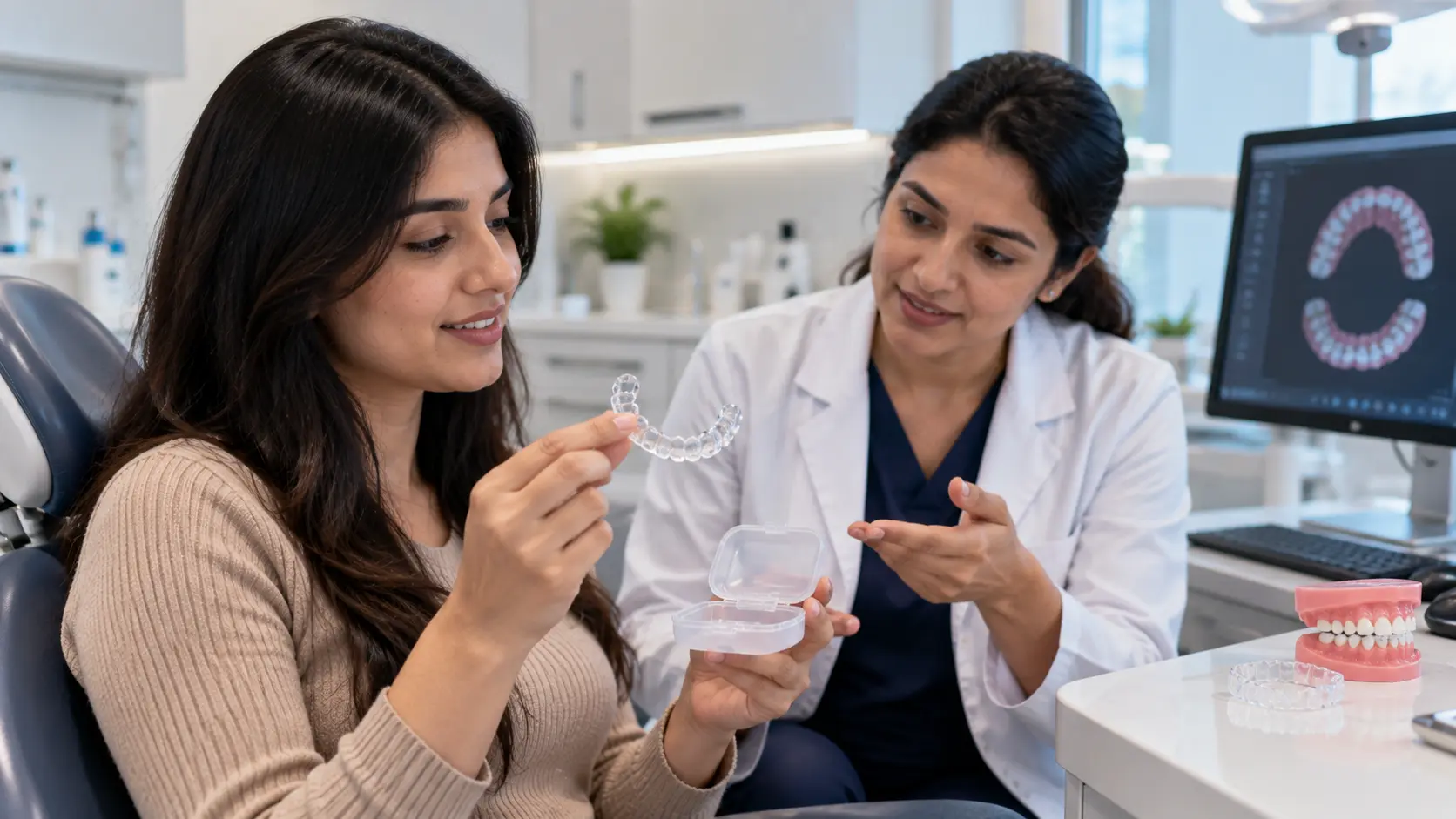
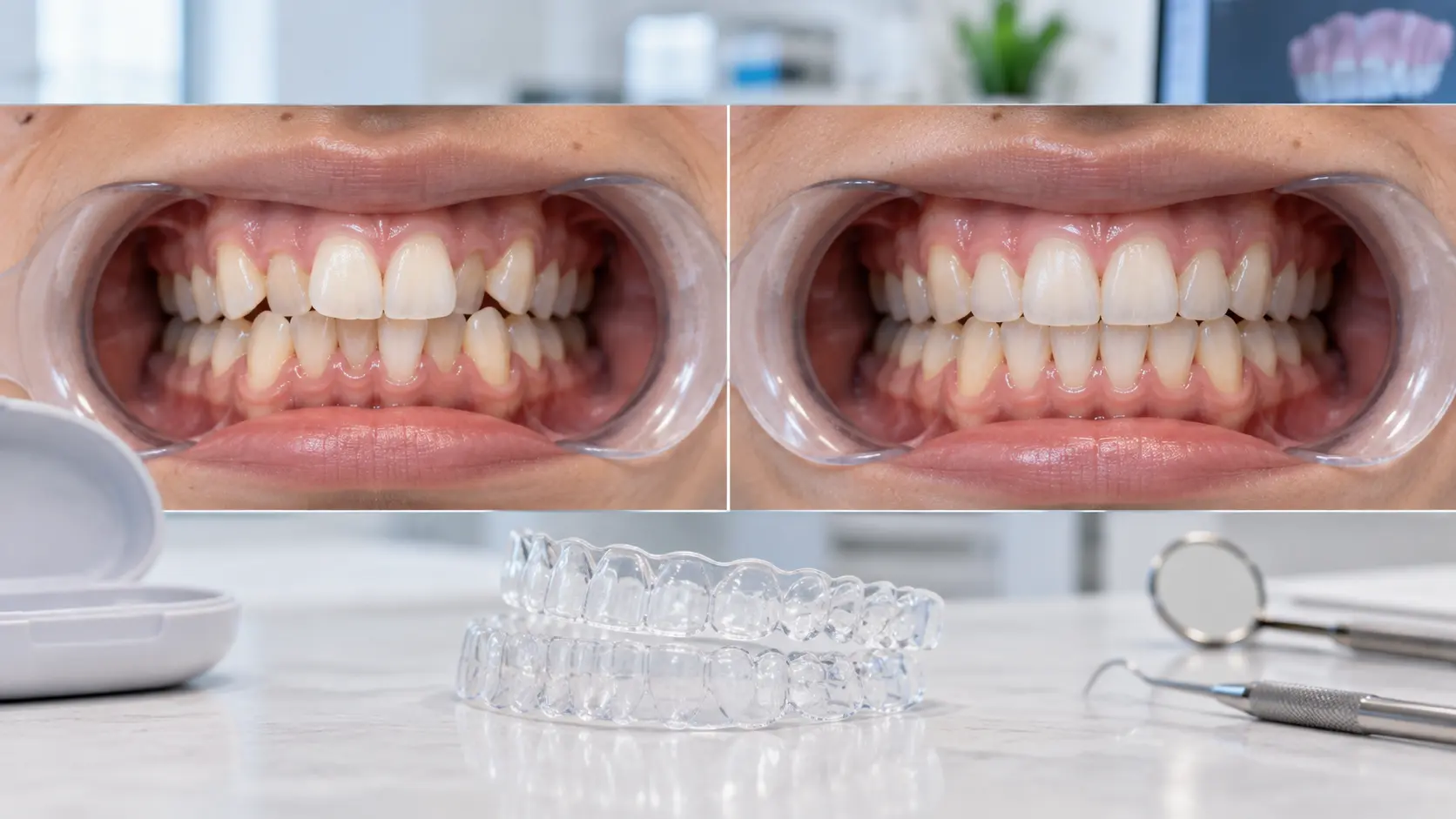
4. Clear Aligners
Clear aligners may be an option for some older children or teenagers, depending on their dental development and the type of orthodontic correction required. They are not appropriate for every child or every orthodontic problem.
What Happens During a Child’s Orthodontic Consultation?
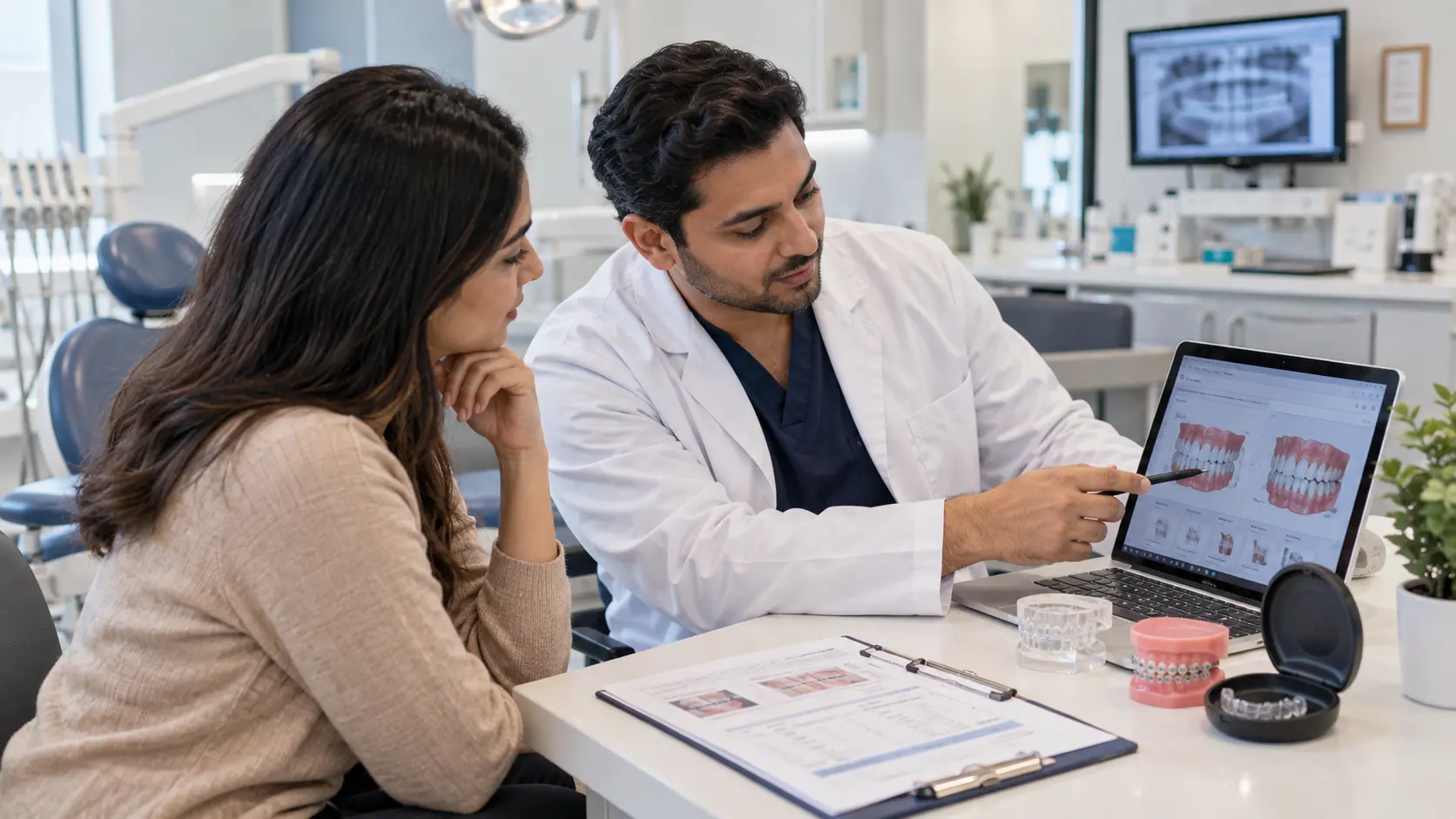
A first visit to an orthodontist is mainly to evaluate and comprehend a child’s dental progress.
An orthodontist will:
- Discuss the child’s dental progress with the parents
- Look in the child’s mouth to evaluate the teeth and gums
- Evaluate the child’s bite
- Assess the process of permanent teeth coming in
- Look at the relationship of the jaws and how they relate to the permanent teeth
- Take photos and/or digital X-rays to evaluate and/or explain conditions
- Explain to the parents and child the need for future treatment, if any
The American Association of Orthodontists states that many parents bring their child to an orthodontist to evaluate if a condition exists, what the options are, and at what age treatment may be appropriate.
Many children have their first visit to the orthodontist with no treatment recommended.
Does Every Child Need Braces?
No. An orthodontic evaluation determines if a patient requires orthodontic care, which does not always mean a patient requires braces.
Some patients may have bitty concerns or irregular eruptions that do not require treatment.
Orthodontists provide treatment based on a patient’s individual needs. According to the American Academy of Pediatric Dentistry, children may need treatment for developing malocclusion. However, children may not need treatment for developing concerns with a bite.
The individual needs of a patient should be considered before treating the patient, especially if it is unknown whether a patient requires orthodontic treatment.
How Orthodontic Care Changes With Age
The appropriate orthodontic approach can change as a child grows.
1. Younger Children under 7
Children in this age group typically require regular visits for observation to address concerns related to malocclusion or other conditions which may warrant prompt intervention.
2. Children With Mixed Dentition
With both deciduous and permanent teeth, an orthodontist is able to assess permanent molar and other tooth positions to evaluate concerns related to spacing and other malocclusion.
3. Children in their Teens
As more of the permanent teeth have erupted, orthodontic treatment may be initiated when considered appropriate. There are several alternatives, including traditional metal bands or clear aligners.
Also, the belief that children over 7 years of age cannot be helped by orthodontic treatment is incorrect. An evaluation may be beneficial at other times during the school-age years or in the teen years.
Choosing an Orthodontist for Your Child
When considering orthodontists, the appearance of a clinic or available treatment options often captures parents’ attention the most. However, parents should ask other questions as well.
Useful questions include:
- Does the orthodontist have appropriate specialist training?
- Will my child’s dental development be assessed individually?
- Will treatment be recommended only if it is appropriate?
- Can the orthodontist explain the problem in language I understand?
- What treatment options may be available?
- Is monitoring an option if treatment is not currently required?
- How often will my child need appointments?
- What should we expect during and after treatment?
A good consultation should give parents a clear understanding of their child’s current dental development and the possible next steps.
When Should Parents Consider an Orthodontic Consultation?
You don’t have to wait for problems with your child’s bite or teeth to worsen before you get help. Some issues can be detected through an orthodontic evaluation even if they are not always evident. These evaluations can determine if there is a concern, if the situation warrants treatment, or if it is best to just keep an eye on the situation.
For parents in Pune, choosing a clinic where children’s orthodontic concerns can be assessed carefully is an important part of making an informed decision. Dr Mathesul Invisalign orthodontist braces & dental implant clinic provides orthodontic care in Pune, allowing parents to discuss their child’s dental alignment, bite, and treatment requirements with a dental professional.
Contact Dr. Mathesul Invisalign Orthodontist Braces & Dental Implant Clinic to discuss your concerns and understand which approach may be appropriate for you. Take the first step toward better oral health and informed orthodontic care.
Call us today at 8983101099 or email us at dailydentist@gmail.com to book your consultation.
Final Thought
A pediatric orthodontist is trained to identify problems concerning the development of a child’s teeth and jaws. If a child has an issue requiring the monitoring or treatment of misaligned teeth or a bite concern, the orthodontist can intervene. Sometimes an evaluation does not warrant the need for braces, and the orthodontist may opt to wait to see if the child’s teeth align on their own before deciding if treatment is required.
If you believe your child may need orthodontic work, you should schedule an appointment for an orthodontist to fully evaluate your child. There are many signs that may indicate your child needs or will need orthodontic treatment including; misaligned teeth, crowded teeth, under-erupted or over-erupted teeth, and/or issues with the bite.