
A common problem among adults and children is having an imperfect smile. Whether it’s a bad bite, gaps in your teeth, or crowding, many people wonder what does an orthodontist do and when I need to see one? Answers to these questions may surprise you.
An orthodontist is a specialist in making a patient’s smile, and to make the function of the teeth and jaw perfectly aligned. They address patient concerns by treating malalignments of the teeth, adjusting the jaws, and also by restoring function. An orthodontist not only addresses malalignment of the teeth, but also assesses and addresses issues concerning the bite and jaws of a patient, both of which develop during the growth of the patient.
What Is an Orthodontist?
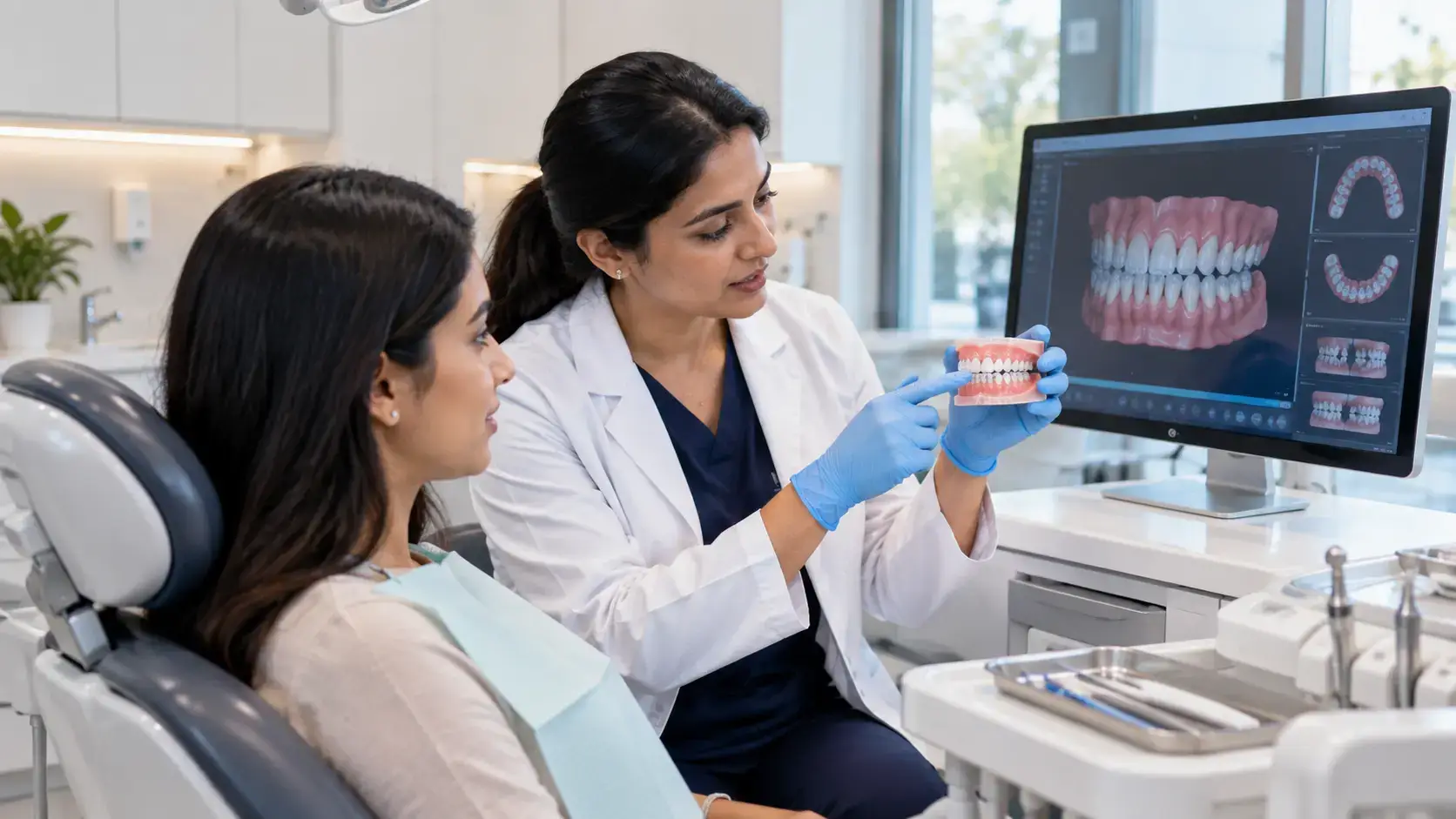
So, what is an orthodontist? Orthodontists are dentists who receive additional education on how to treat malalignment of the teeth and jaws.
A general dentist is a professional who is responsible for prevention and restoration of defects of the teeth and periodontal structures. An orthodontist specializes in corrective treatment of tooth and jaw alignment problems.
In simple terms, the orthodontist meaning is they have additional training to move teeth into the desired position and to adjust the relation of the jaws for optimal facial function.
The American Association of Orthodontists indicates orthodontics as the specialty of preventing, intercepting, and correcting mal-positioning of the teeth and jaws.
What Does an Orthodontist Do?
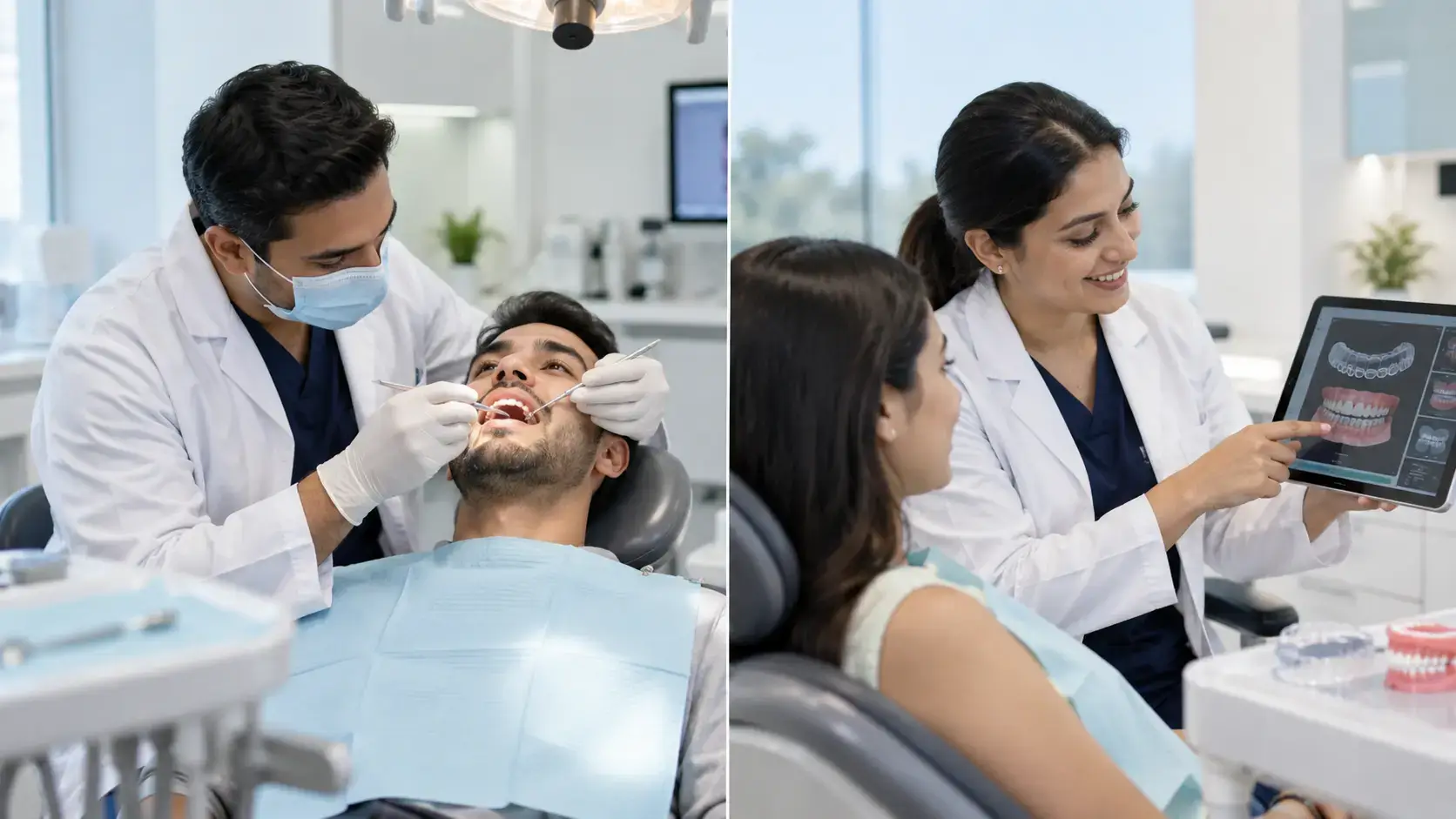
An orthodontist is a dental specialist who evaluates the positioning of your teeth as well as the way your jaws come together. An orthodontist will determine if treatment is required and the most optimal method to achieve treatment goals.
Common concerns an orthodontist may evaluate include:
- Crooked or rotated teeth
- Crowded teeth
- Gaps between teeth
- Overbite
- Underbite
- Crossbite
- Open bite
- Teeth that are difficult to clean because of their position
- Teeth erupting in an unusual position
- Certain jaw alignment concerns
- Problems with chewing or biting
An orthodontist can track a child’s dental development to identify potential problems and figure out the ideal time to intervene, if any, to correct the problem.
Orthodontist Definition and Specialist Expertise
A simple orthodontist definition is they are specialists who address issues relating to the growth of the mouth and jaw as it relates to the teeth.
Because of training in facial development and growth, they are the only dental specialist qualified to identify and address malocclusion issues. To successfully complete treatment, an orthodontist must be able to recognize problems and integrate all the supportive structures of the face during a patient’s growth and development.
Correction of malocclusions may vary in difficulty, however, many cases are complex and require a team effort of many dental specialists. Orthodontists study how the relationships of the teeth affect functionality such as eating and speaking.
What Problems Can an Orthodontist Treat?
Teeth problems occur in various ways. Some pertain to the condition of the teeth while others pertain to the relationship of the upper and lower teeth as well as their jaws.
Crowded or Crooked Teeth
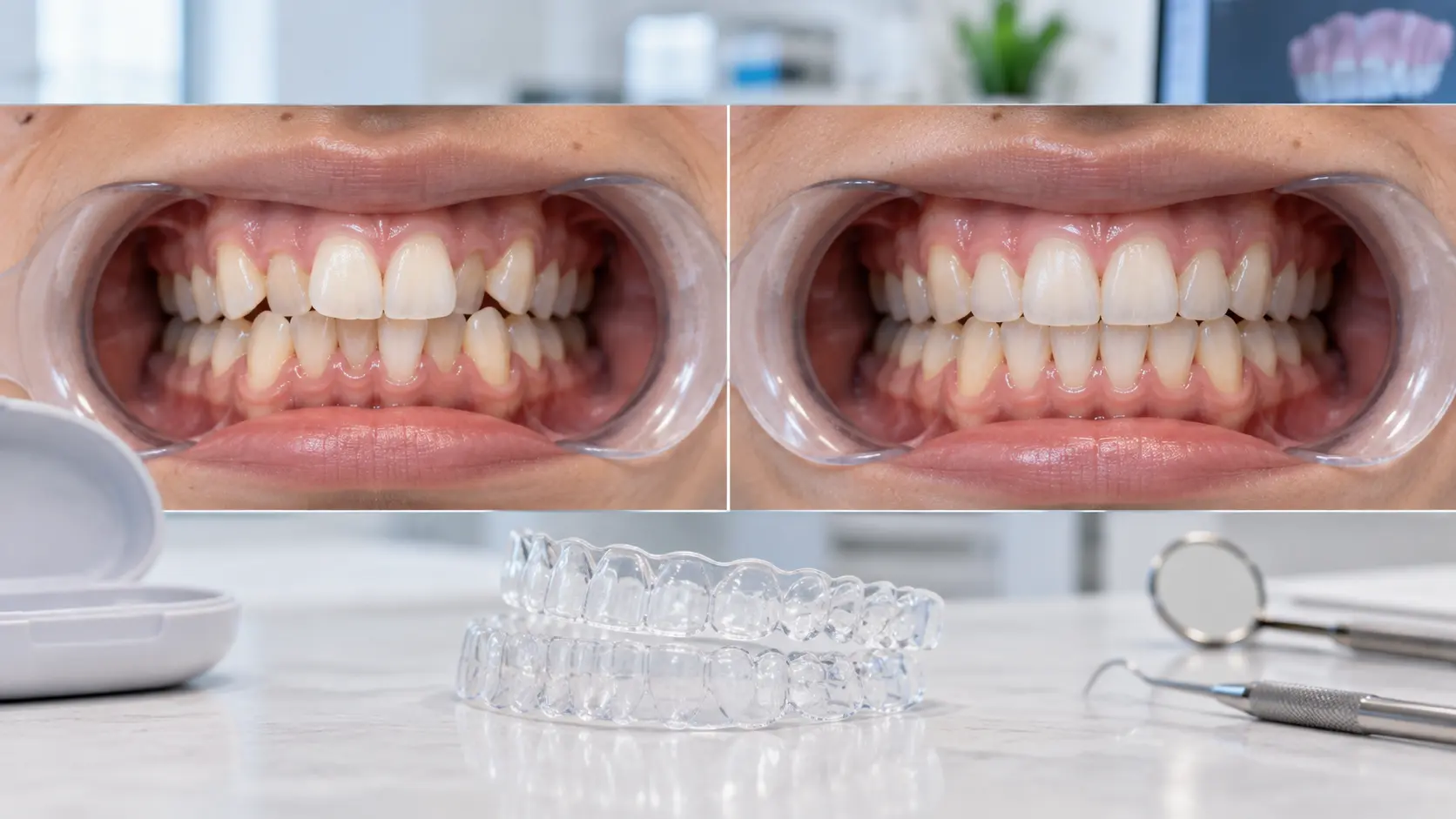
Crowding is a situation where teeth are smaller than the space allotted for them and thus, do not manifest normally. They may align abnormally or not align at all.
Causes and levels of crowding will be diagnosed by an orthodontist, and he or she will decide on the need for orthodontic treatment.
Gaps Between Teeth
Missing teeth may occur to two or more consecutive teeth. An orthodontist based on the cause of the space and the overall development of the patient’s dentition decide on treatment.
Bite Problems
When there are problems with the relationship of the upper and lower teeth, there are problems with the way the teeth function. Such problems require the expertise of an orthodontist.
Treatment is based upon a complete evaluation of the patient as well as other factors.
Braces and Clear Aligners
A popular answer to the question: what do orthodontists do is that they move teeth with various forms of corrective treatment.
Braces
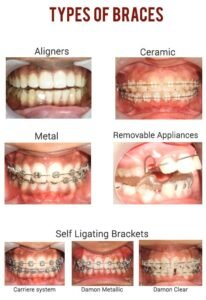
The most common type of orthodontic treatment is the use of braces. Braces use a system of brackets and wires to apply and progressively increase a controlled amount of force on teeth in order to move them to a desired position.
There are different types of braces. The type of brace used is determined by the patient’s orthodontic needs.
Clear Aligners
An alternative to the use of braces is the use of removable clear aligners. Clear aligners use a series of custom-made aligners to gradually move teeth. Because of this, not all forms of malposition can be treated with clear aligners.
If you would like to learn more about your available treatment options, schedule an appointment with an orthodontist.
Who Is an Orthodontist and When Should You See One?
If you are asking who is an orthodontist, think of an orthodontist as a dental specialist who deals with the correction and prevention of problems related to the position of the teeth and/or the bite.
You may be in need of orthodontic treatment if:
- Your teeth appear crowded or crooked
- You have noticeable spaces between teeth
- Your upper and lower teeth do not meet properly
- Your jaw appears uneven when you bite
- You are considering braces
- You are considering clear aligners
- A dentist has suggested an orthodontic assessment
- You notice an unusual pattern in your child’s developing teeth or bite
You don’t have to wait until a situation gets really bad. We can evaluate your child to determine the best next steps, whether that is watching and waiting, treatment, or something else.
When Should Children See an Orthodontist?
You do not have to wait for an issue to get worse to get an evaluation. In fact, an evaluation while an issue is still developing can help determine the best time to implement treatment.
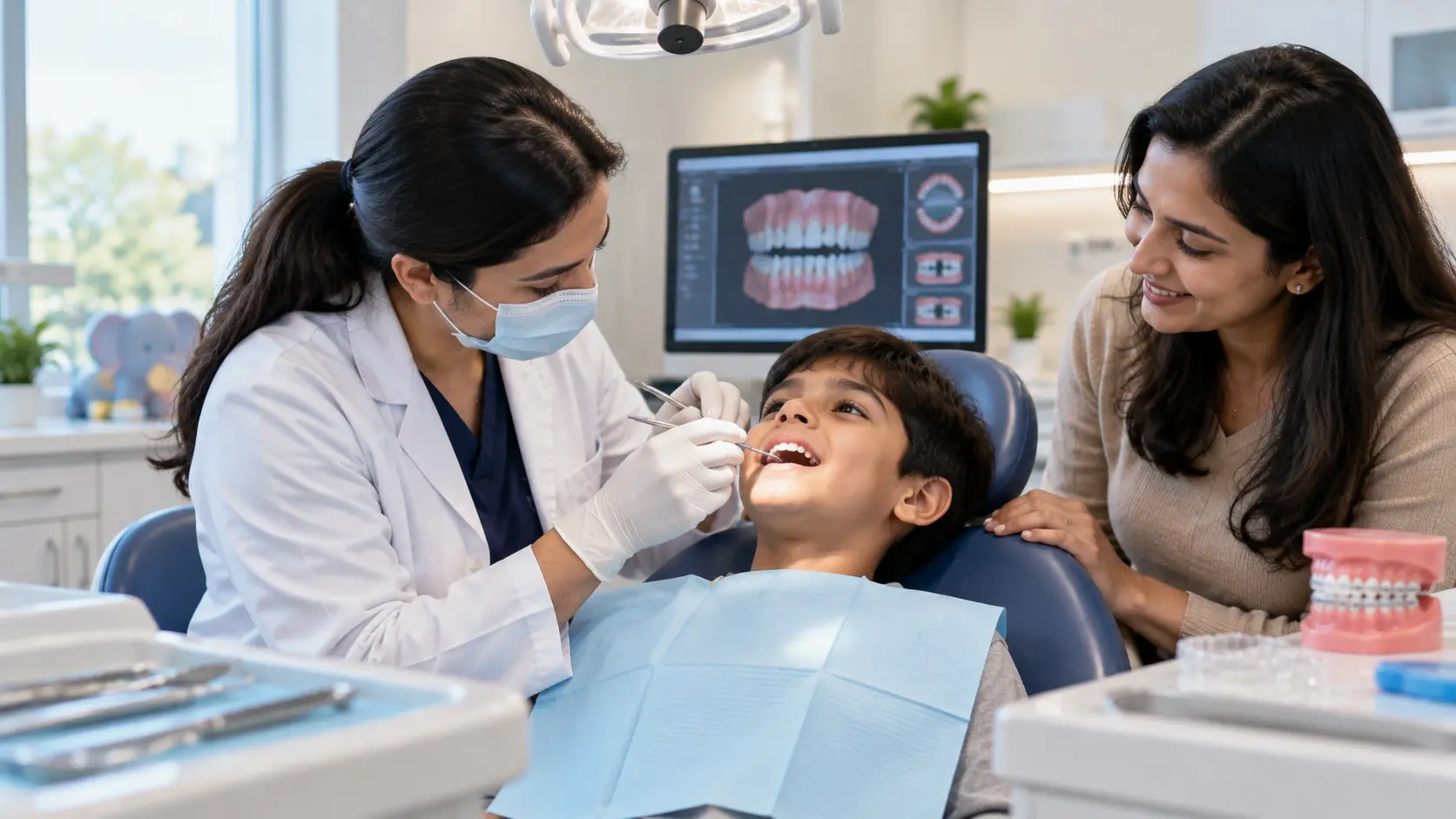
Around the age of 7, the American Association of Orthodontists suggests that children should have an orthodontic evaluation. Just because children have an evaluation at the age suggestion, does not mean children will get braces at the age suggestion. Most children do not get braces at this age.
Children can have developing issues that need treatment and monitoring. For certain issues, it can be better to implement treatment while children are still growing. There are other issues that require treatment, but can be put off until a child is done growing.
In general, it is better to put off treatment, unless there are certain problems that need to be addressed.
Parents may consider an orthodontic evaluation if they notice:
- Difficulty biting or chewing
- Early or delayed loss of baby teeth
- Teeth erupting out of position
- Significant crowding
- An unusual bite
- Jaws that shift when the child closes their mouth
An evaluation does not automatically mean that treatment will begin.
Can Adults See an Orthodontist?
Yes. There are numerous benefits from undergoing orthodontic treatment as an adult. Some of the orthodontic conditions adults may have include misaligned or crowded teeth, as well as a malaligned bite. These conditions can also occur in children and adolescents. Adults can also develop misaligned teeth due to loss or extraction of permanent teeth.
Not all adults are good candidates for clear aligners. Traditional braces or other types of orthodontics may be more appropriate. The type of treatment recommended is based on the condition of the adult’s teeth and bite, and the goals of treatment.
The best way to determine the types of treatment available and appropriate is to schedule an appointment for a consultation.
What Can You Expect During an Orthodontic Consultation?
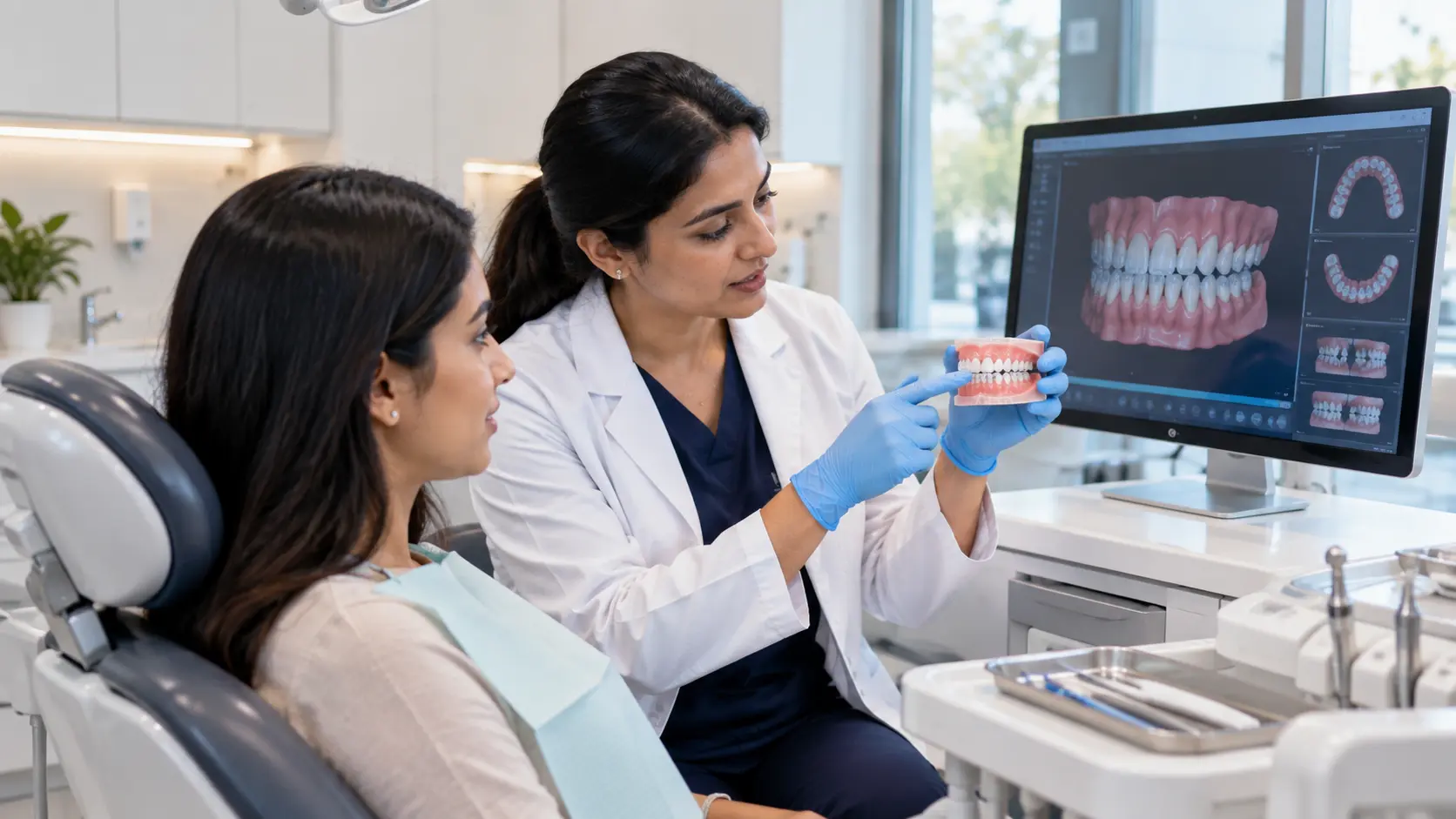
Understanding your needs is the main goal of the first appointment. The orthodontist may ask about your concerns and assess your teeth and your bite. If necessary, the orthodontist may take photographs, scans or x-rays of your teeth.
You can also use the appointment to ask questions about:
- Whether you need orthodontic treatment
- Which treatment options may be appropriate
- Braces versus clear aligners
- How long treatment may take
- How frequently appointments are needed
- What you should expect during treatment
- Whether any other dental treatment should be completed first
Being evaluated does not mean treatment is going to start right away. The assessment is an opportunity for you to understand your condition better and determine the treatment choices that are available to you.
Why Early Orthodontic Evaluation Can Be Useful
Early assessments are more about timely evaluation than treatment. Some issues can be identified and treated during a child’s growth. An orthodontist tracks the development of children and tells the family when the right time for treatment is.
The American Association of Orthodontists explains that identifying and treating developing malformations is better for patients and can even protect patients from more serious problems.
Similarly, an evaluation by an orthodontist can let an adult know what problems, if any, they have that are treatable by orthodontics.
Educating patients by defining orthodontists gives them very little information. Having a patient understand how an orthodontist analyzes their teeth provides a more valuable tool to make an educated decision on treatment.
When you want to move from general information to an assessment of your own orthodontic concern, a professional evaluation can help clarify what treatment, if any, may be appropriate. Dr Mathesul Invisalign orthodontist braces & dental implant clinic provides orthodontic care in Pune, including Invisalign and traditional braces, with treatment planning based on the patient’s teeth, bite, and individual needs.
Contact Dr. Mathesul Invisalign Orthodontist Braces & Dental Implant Clinic to discuss your concerns and understand which approach may be appropriate for you. Take the first step toward better oral health and informed orthodontic care.
Call us today at 8983101099 or email us at dailydentist@gmail.com to book your consultation.
Final Thought
What does an orthodontist do? An orthodontist fixes problems involving the positioning of teeth and jaws. This includes issues with a person’s bite. An orthodontist can use a variety of methods to treat a patient. The most common method is using braces. Recently, the use of clear aligners to move teeth has increased in popularity.
It is recommended children have an orthodontic evaluation to assess their dental development. Once a child has lost their primary teeth, and their permanent teeth have started to erupt, they should have an evaluation. It is never too late to have an orthodontic evaluation. You are never too old to have your teeth aligned.
Having an evaluation will not always mean that you will need extensive orthodontic treatment. It will just give you more information regarding your treatment options.